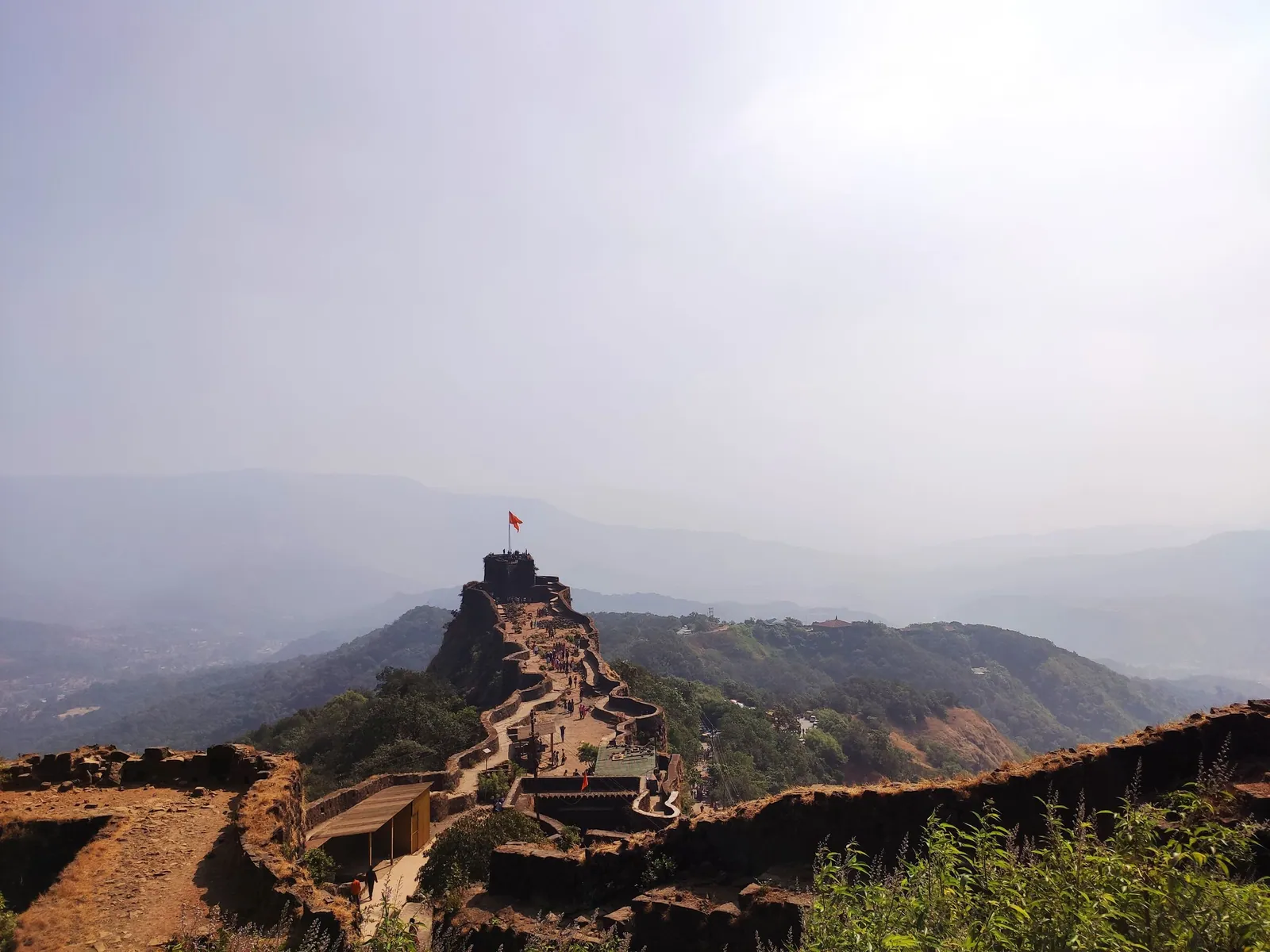
Maharashtra is India's trekking heartland. The Sahyadris (Western Ghats) are stitched with ancient forts, plunging waterfalls, cloud-wrapped plateaus, and summit trails — all within a weekend of Pune and Mumbai. This complete 2026 guide brings together the best treks by level and season, the gear you need, how to reach and budget, and how to stay safe.
From the highest peak in the state to hidden monsoon waterfalls and Maratha-era hill forts, Maharashtra offers a lifetime of treks. The Sahyadri range runs the length of the state, and its accessibility from major cities makes it perfect for weekend adventures — whether you are a nervous first-timer or a seasoned trekker chasing tough routes.
This guide is your starting point. Use it to understand the seasons, pick treks that match your fitness, assemble a budget kit, and plan the logistics. Wherever you see a linked guide, follow it for a deeper, trek-by-trek or gear-by-gear breakdown.
Why Maharashtra Is India's Trekking Capital
- Hundreds of forts and peaks in the Sahyadris, many a short drive from Pune and Mumbai.
- A dramatic monsoon season that turns the Ghats emerald with waterfalls everywhere.
- Treks for every level — from easy fort walks to tough technical climbs.
- Deep history: Maratha forts, ancient caves, and temples on the trails.
- A thriving community of trekkers, groups, and organisers to join.
- Best treks by difficulty — beginner to challenging
- Season-by-season guide to the Sahyadris
- Gear essentials you can buy on a budget
- How to reach, costs, and safety fundamentals
Below, we break Maharashtra trekking down into treks by level, the best seasons, must-have gear, logistics, and the safety basics every trekker should follow.
Rules That Changed in 2025-26
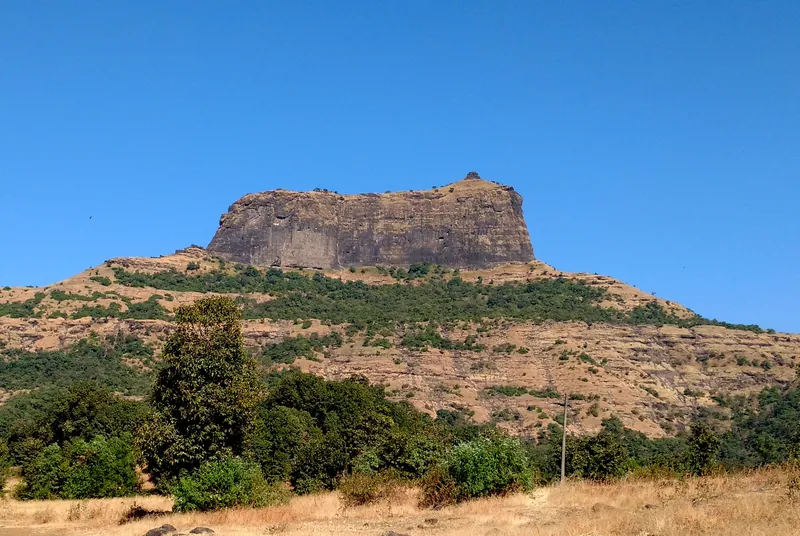
Maharashtra's trekking scene has become more regulated as crowds have grown. The forts and trails are still open most of the year, but in the monsoon especially, check current orders for your destination before you set out.
- Harihar Fort: a 300-a-day cap in 2026, no entry after 2 pm, and registration for groups over 20
- Andharban: online booking, a daily cap, a compulsory guide and Monday closures
- Devkund: closed to visitors through the monsoon
- Harishchandragad, Sandhan Valley and the AMK forts: closed by the forest department until mid-August in 2025
- Rajgad, Torna, Lohagad, Visapur, Tikona and the Pawna area: monsoon prohibitory orders
- Kalavantin Durg: registration and no climbing at night
In-Depth Guides to Maharashtra's Classic Treks
The TrekVerse journal now has detailed guides to Rajgad, Torna, Sinhagad, Lohagad and Visapur, Rajmachi, Kalavantin Durg and Prabalgad, Ratangad, Harihar, Raigad, Bhimashankar, Naneghat, Kalsubai, Harishchandragad, Andharban and Devkund, each with routes, difficulty, timings and current rules.
Frequently Asked Questions
Start Your Maharashtra Trekking Journey
Discover upcoming Sahyadri treks, find trekking groups, and connect with verified organisers — all on TrekVerse.
Explore TreksEverything You Need to Trek Maharashtra
Best Treks by Difficulty
- Beginner: Lohagad, Sinhagad, Rajmachi, Korigad, Tikona — easy forts with big rewards.
- Moderate: Kalsubai (highest peak), Harishchandragad via Pachnai, Torna, Rajgad.
- Challenging: Harishchandragad via Nalichi Vaat, Alang-Madan-Kulang (AMK), Sandhan Valley.
- Waterfall treks: Devkund, Andharban, Kalu, Devkund and Tamhini-area trails in monsoon.
Season-by-Season Guide
- Monsoon (June–Sept): peak Sahyadri magic — green forts and waterfalls; expect rain, fog, and slippery rock.
- Post-monsoon (Oct–Nov): lush yet clearing skies; arguably the best all-round window.
- Winter (Dec–Feb): crisp, clear views and comfortable temperatures — ideal for summits and camping.
- Summer (Mar–May): hot; do early-morning or night treks and carry extra water.
Typical Costs
- Self-planned day trek: ₹800–₹1800 per person including transport and food.
- Organised day trek: ₹1000–₹2000 including transport and guide.
- Overnight camps: ₹1500–₹3000 with tent, meals, and guide.
Gear Essentials (Budget-Friendly)
- Trekking shoes with good grip — the single most important item.
- A 40–60L backpack with a rain cover and an inner liner.
- A headlamp for early summits and night treks.
- Rain jacket or poncho in the monsoon; a warm layer in winter.
- Trekking poles for steep descents; 2–3 litres of water always.
How to Reach & Get Around
- Most trailheads are 2–5 hours from Pune or Mumbai by road.
- Trains reach hubs like Lonavala, Kasara, Igatpuri, and Karjat; local jeeps cover the last mile.
- Public transport to remote base villages is limited — private vehicles or group transport are easiest.
- Join an organised group when transport or logistics are tricky.
Trail Etiquette & Responsibility
- Carry all your litter back — leave no trace on the forts and trails.
- Respect temples, caves, and local villages along the route.
- Stick to marked trails to protect fragile plateau ecosystems.
- Support local guides, homestays, and village economies.
Who This Guide Is For
Whatever your experience, Maharashtra has a trek for you:
- Absolute beginners: start with easy forts like Lohagad or Sinhagad.
- Weekend warriors from Pune and Mumbai wanting quick escapes.
- Monsoon lovers chasing waterfalls and green plateaus.
- Experienced trekkers ready for AMK, Sandhan Valley, or Nalichi Vaat.
Sahyadri Trekking Safety Essentials
The Sahyadris are welcoming but demand respect, especially in monsoon:
- Check the weather and daylight hours; start early and plan to finish before dark.
- Carry enough water, basic first-aid, a headlamp, and a fully charged phone.
- Avoid cliff edges and waterfalls in strong flow; never trek under the influence.
- Tell someone your plan, and trek with a group on unfamiliar or hard routes.
- Turn back when conditions worsen — the summit will always be there next time.
Dive Deeper: TrekVerse Trekking Guides
Use these detailed guides to plan specific treks and build your gear kit: