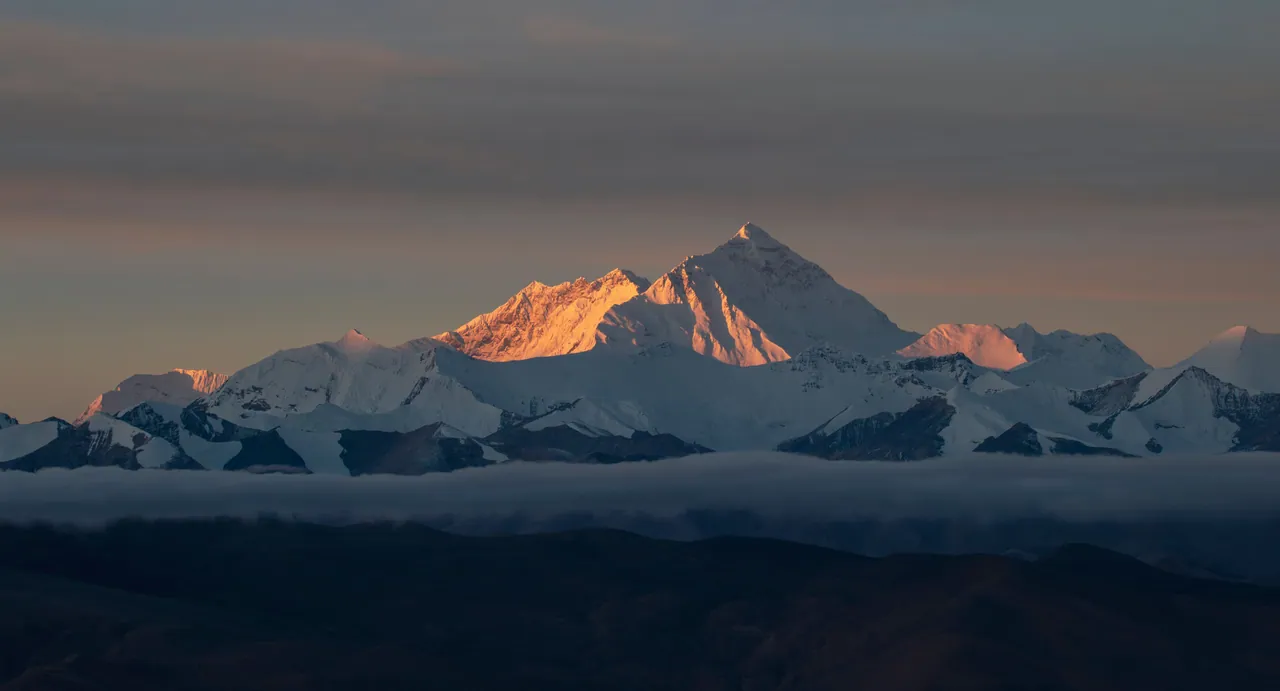
Mount Everest · 8,848.86 m The complete expedition guide
Two full guides — the mountain and the South Col route camp by camp, the physiology of extreme altitude, and a twelve-month plan to get fit enough to stand on top. Free, and complete.
Everest is not a climb you decide to do. It is one you spend years arriving at.
Most people who stand on the summit spent years on smaller mountains first, and two months on this one before the summit push. What follows is the whole of that — the route, the physiology, the training and the paperwork — written out rather than summarised.
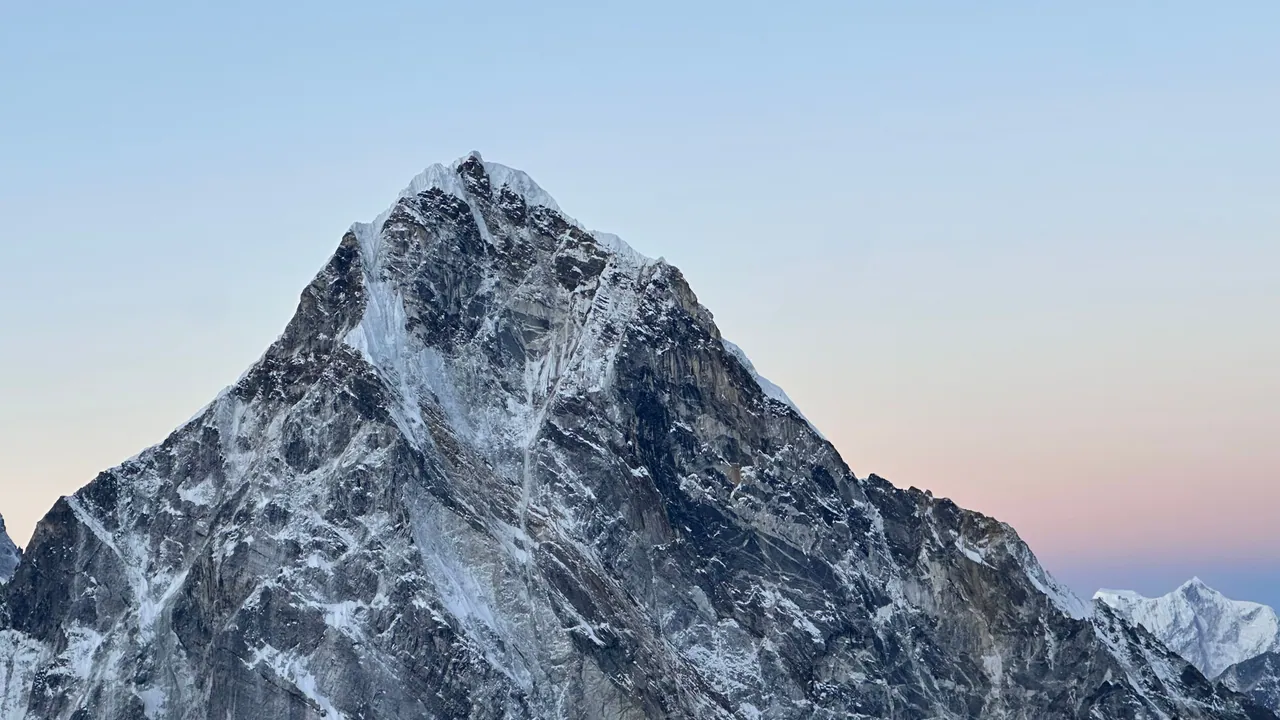
Three and a half kilometres of vertical, and four camps
Almost every climber goes this way. Below Camp 2 it is a glacier route, where the danger is moving ice. Above it, the danger is simply the air.
Follow the routeFrom a hill airstrip to the top of the world
The journey gains about 6,000 metres from Lukla, and roughly 3,500 of those come above Base Camp. The trek is deliberately slow — it is acclimatisation, not approach. Above the South Col the body cannot acclimatise at all.
Approximate altitudes from the Technical Guide. Camp heights shift by about 100 m year to year.
Two guides. Sixty chapters. Nothing held back.
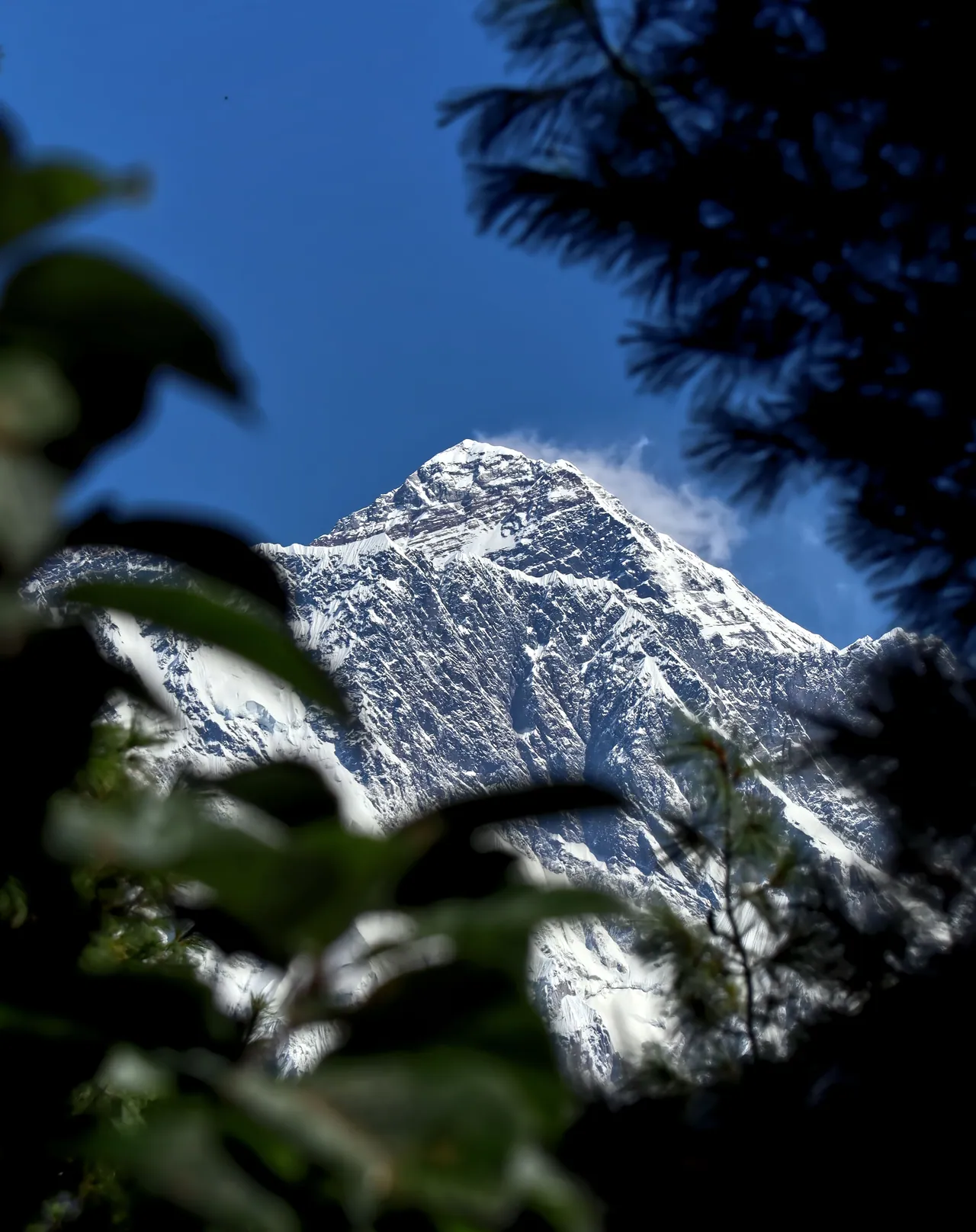
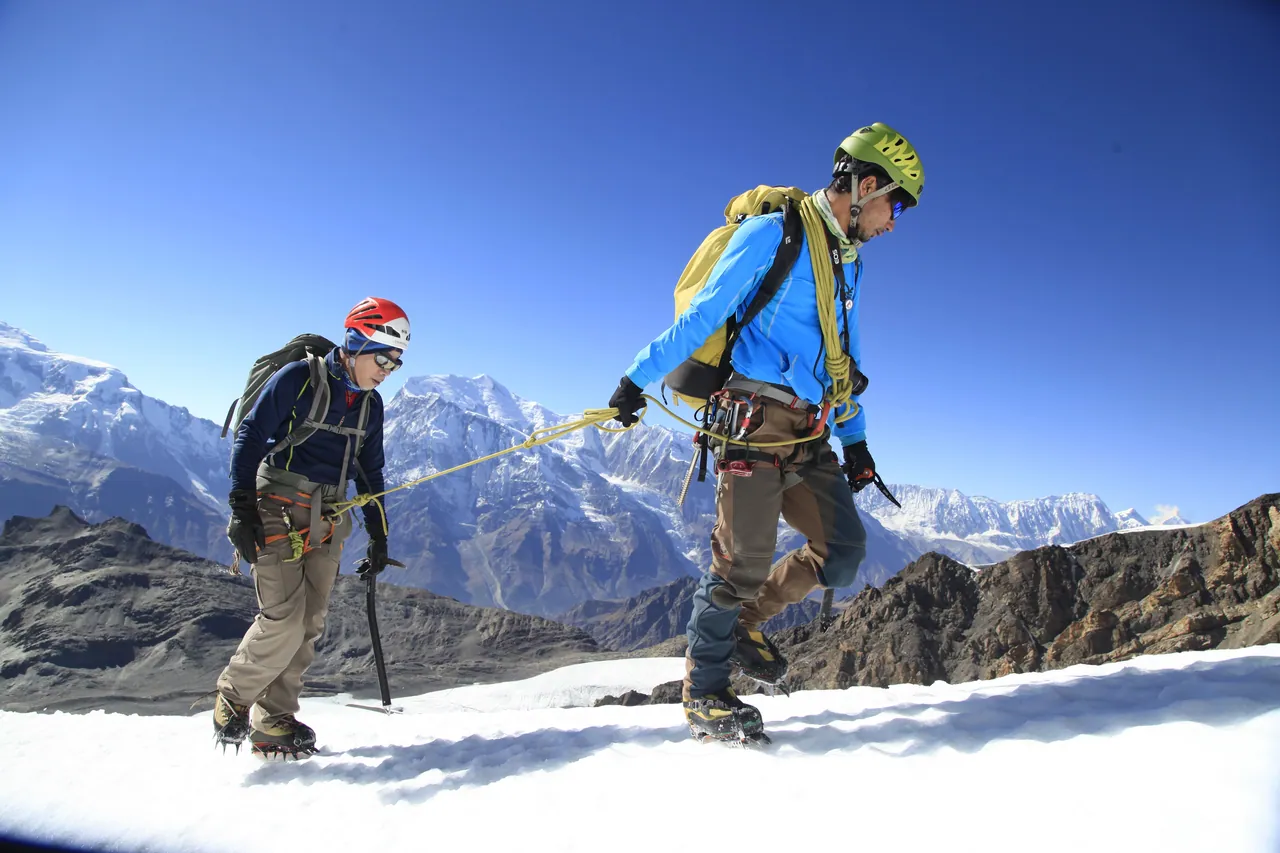
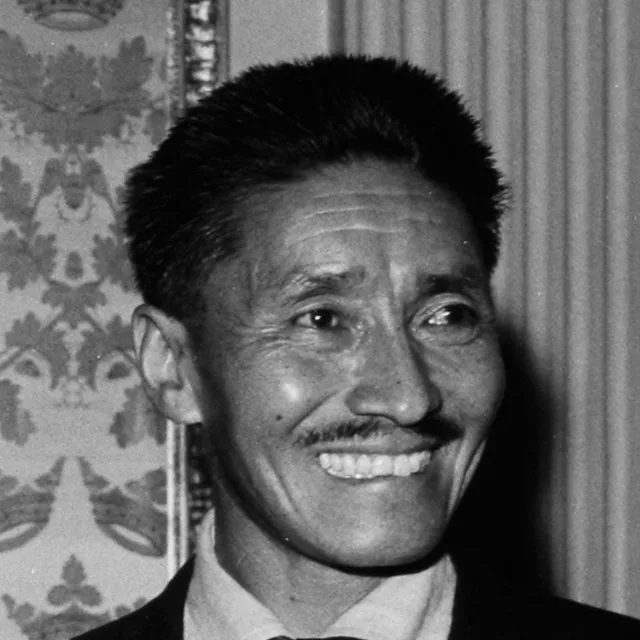
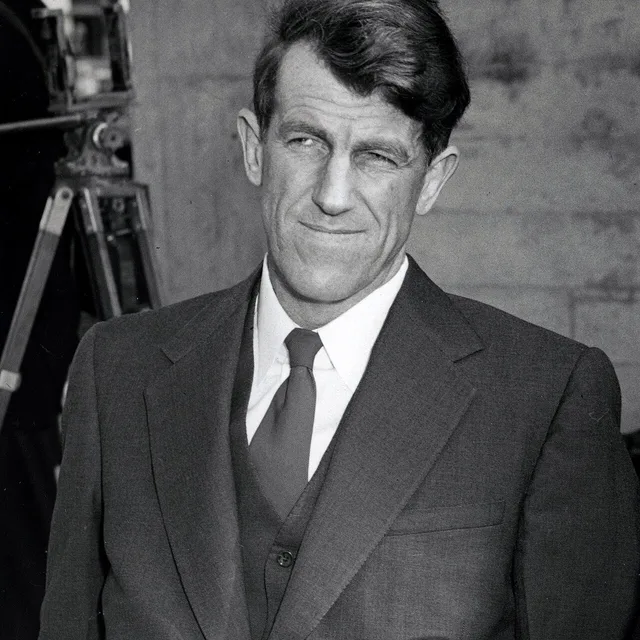
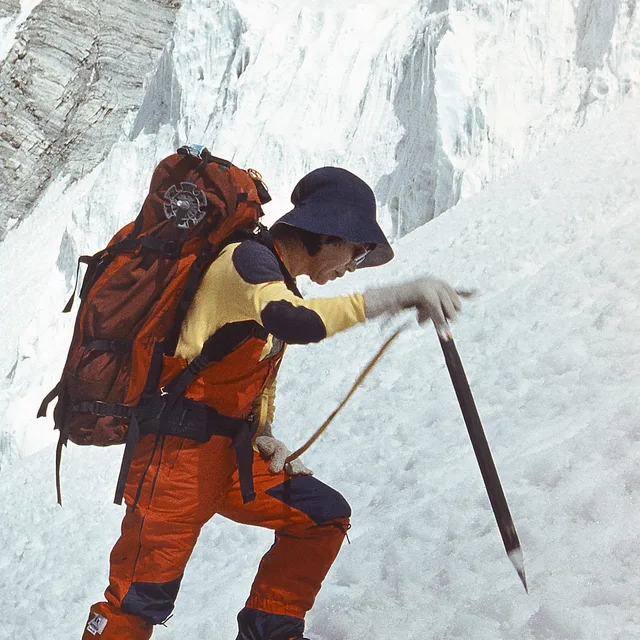
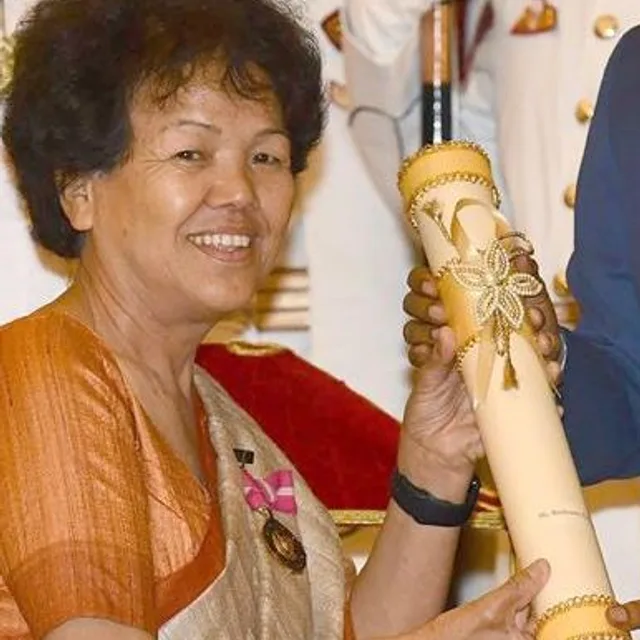
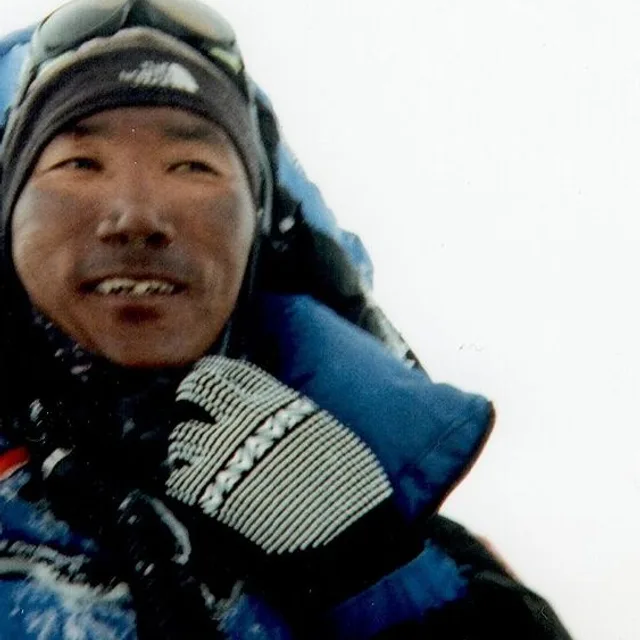
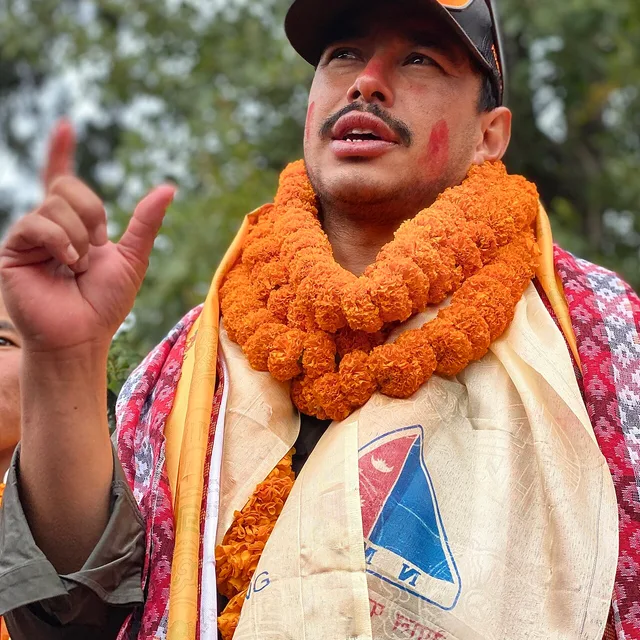
Seven climbers who moved the line
From Tenzing and Hillary in 1953 to Nimsdai in 2019 — and the Nepali climbers whose names never made the record.

The death zone
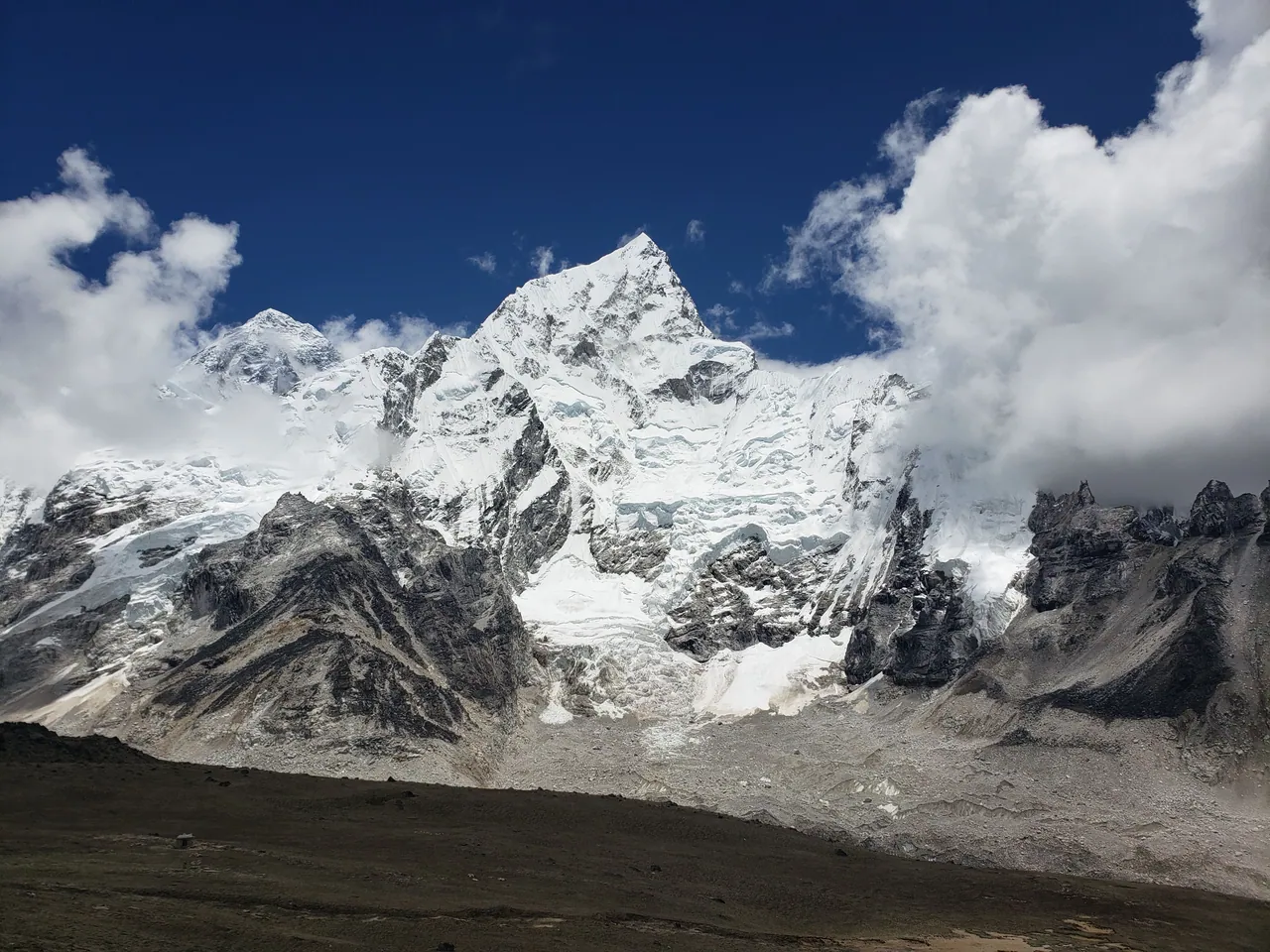
There is so little oxygen above the South Col that the body cannot acclimatise or recover at all — it is only ever running down. That is why summit day starts before midnight, and why the turnaround time is not a suggestion.
Start anywhere
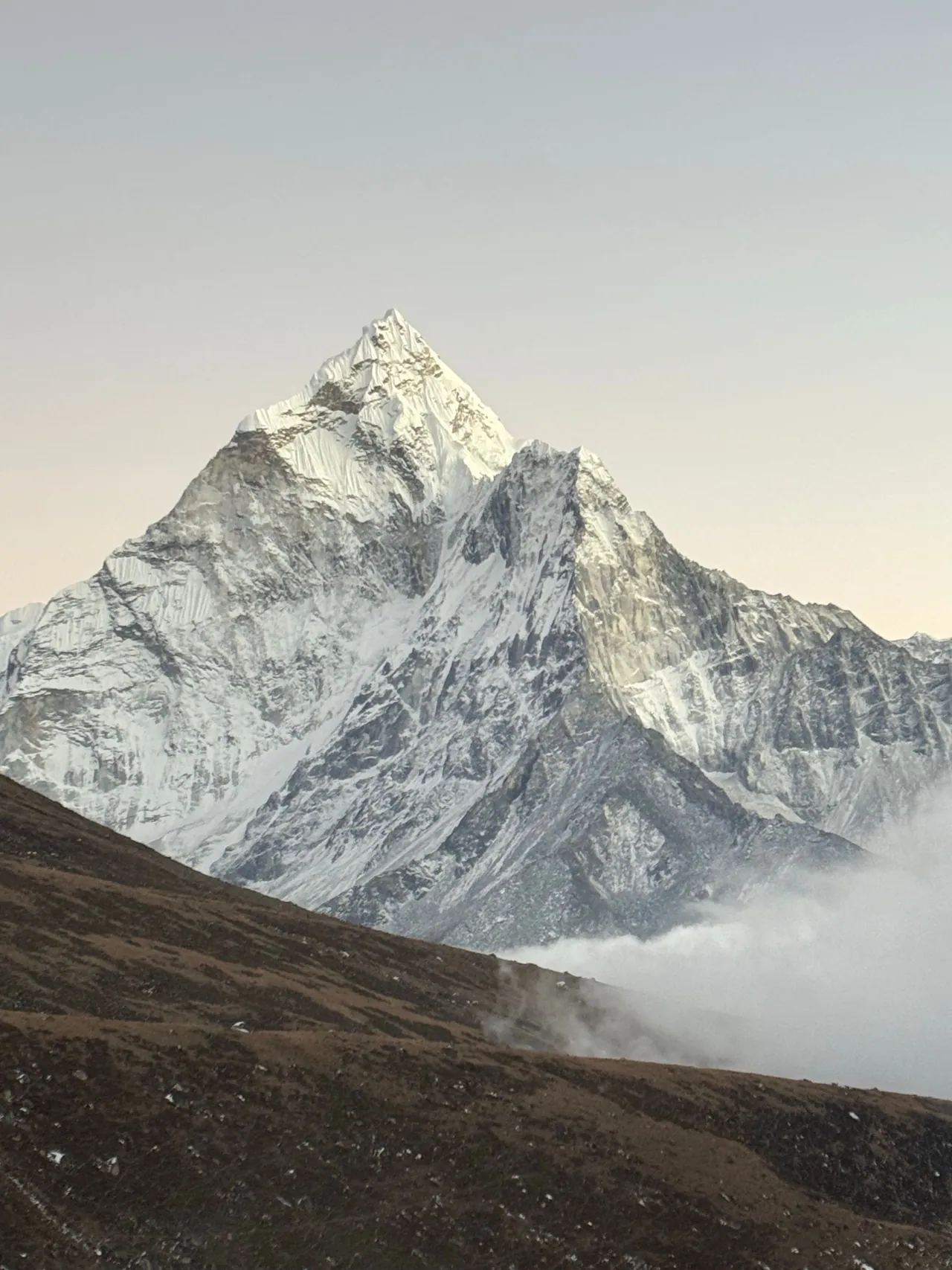
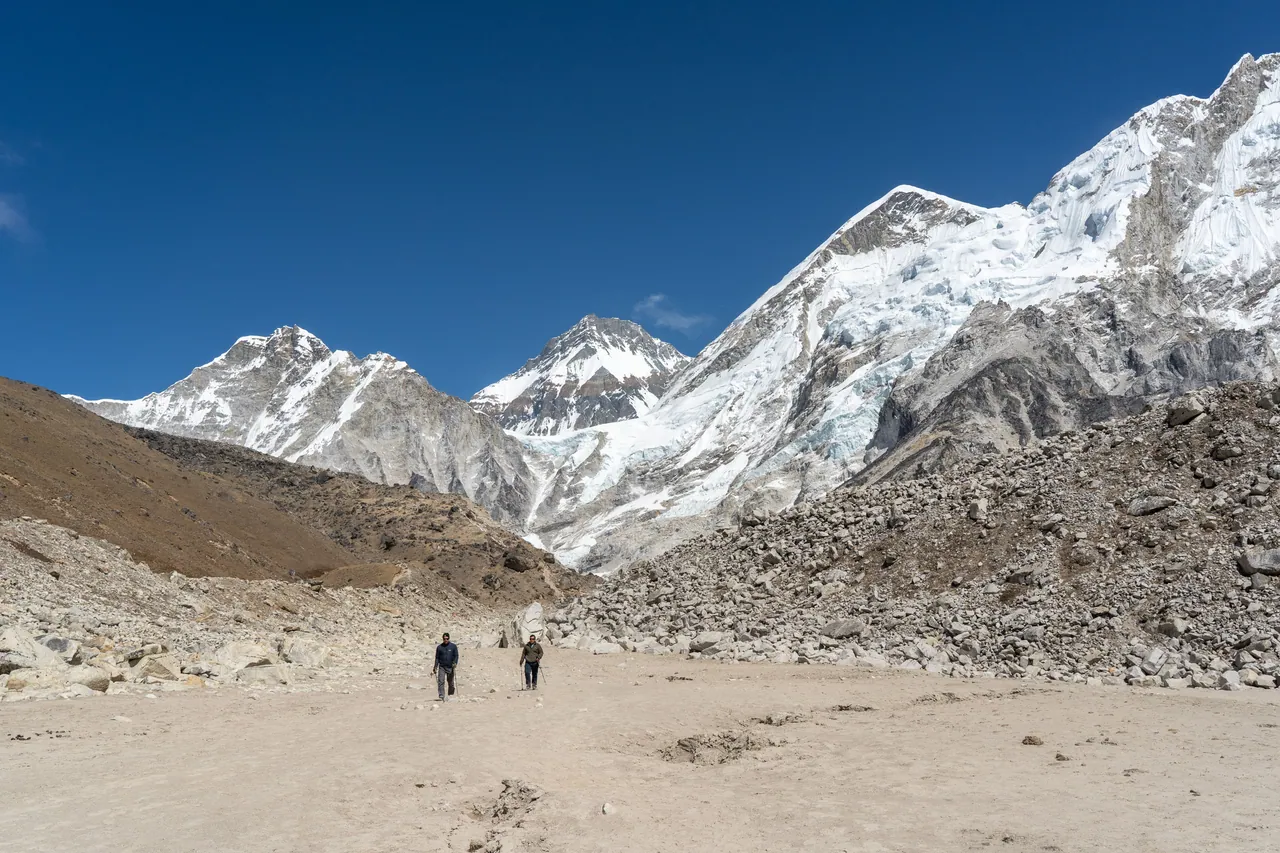
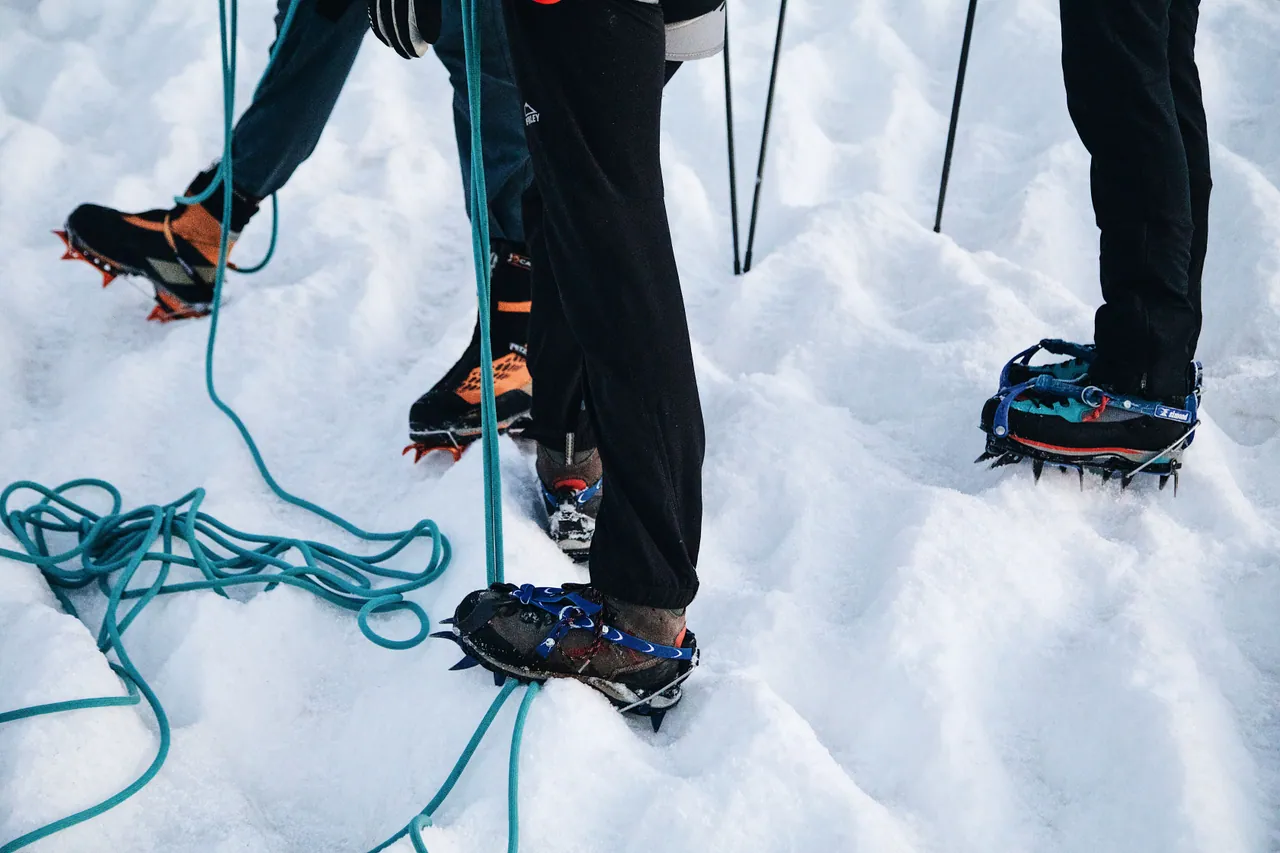
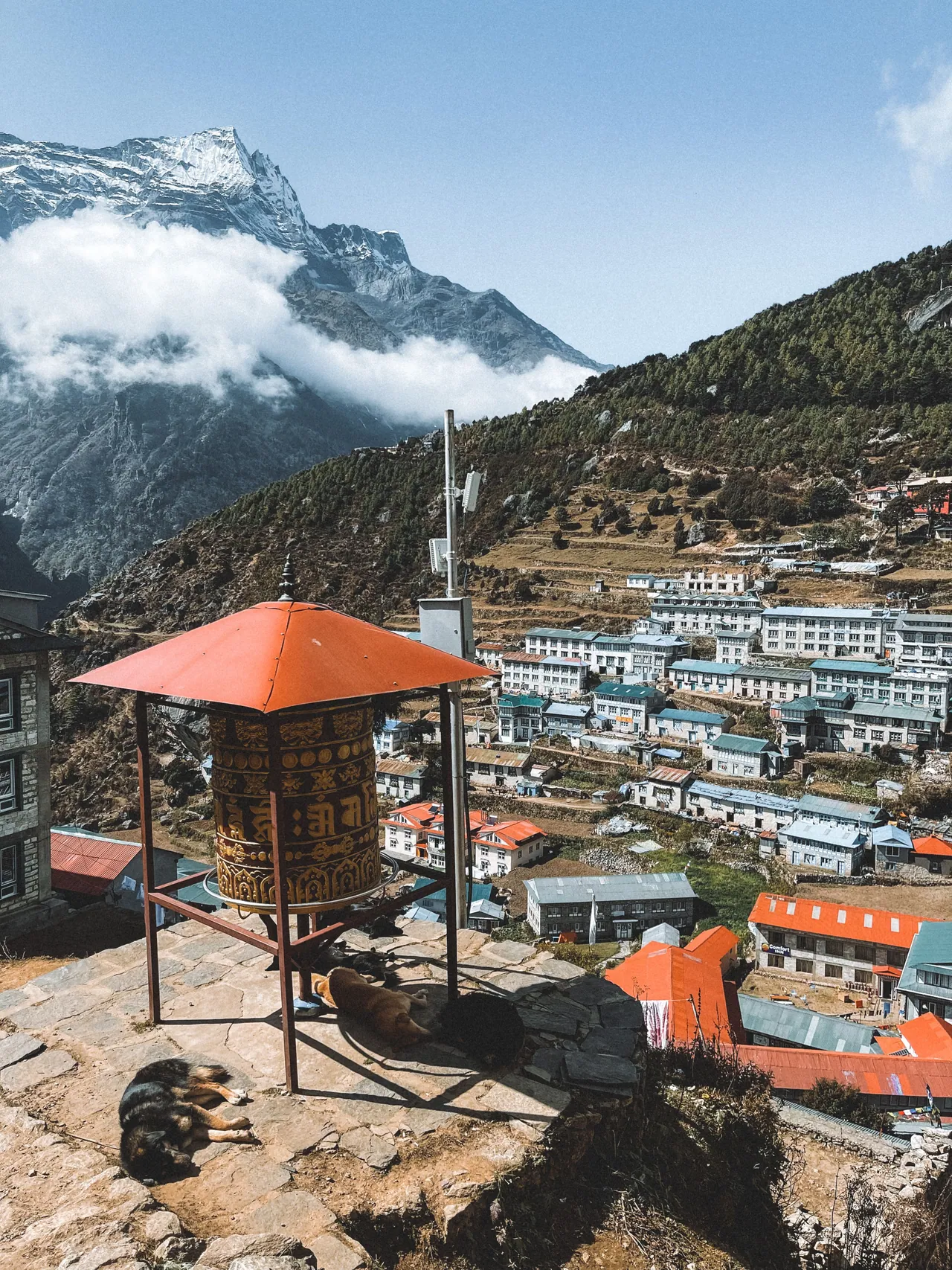
See the route before you read it
Nothing explains the Khumbu Icefall like watching somebody cross it. These load their player only when you press play.
The short answers
How high is Mount Everest?
8,848.86 m, commonly rounded to 8,849 m — the figure announced jointly by Nepal and China in 2020 after a new survey. It sits on the border between Nepal and the Tibet Autonomous Region, in the Mahalangur range of the eastern Himalaya.
Which country is Mount Everest in?
Both. The summit sits on the border between Nepal and China — the Tibet Autonomous Region. The south side, climbed via the South Col from Nepal's Khumbu region, is in Sagarmatha National Park; the north side is climbed from Tibet. Most expeditions, including almost all from India, use the Nepal side.
What is Mount Everest called locally?
In Nepal it is Sagarmatha, roughly "forehead of the sky". In Tibetan it is Chomolungma (Qomolangma in Chinese transliteration), often translated "goddess mother of the world". The English name honours Sir George Everest, a 19th-century Surveyor General of India.
Who first climbed Mount Everest?
Tenzing Norgay and Edmund Hillary reached the summit on 29 May 1953, on a British expedition led by John Hunt, by the South Col route that most climbers still use today.
How long does an Everest expedition take?
Roughly 55 to 60 days from arriving in Kathmandu to flying home. That covers 8-10 days trekking to Base Camp, several weeks of acclimatisation rotations, and then a summit push timed to a weather window, almost always in May.
What is the death zone?
Everything above about 8,000 m, which on the South Col route begins at Camp 4. There is so little oxygen that the body cannot acclimatise or recover at all — it is only ever deteriorating. Time spent there is strictly limited, which is why summit day starts before midnight.
Why do climbers summit Everest in May?
In May the jet stream lifts off the summit just before the monsoon arrives, briefly dropping the extreme winds. That gap produces the short, calm summit windows teams wait at Base Camp for. A smaller, colder window sometimes opens in autumn.
What does climbing Everest cost?
The guides put a realistic all-in range for an Indian climber on the Nepal side at roughly ₹35-70 lakh depending on operator tier, covering the permit royalty, operator fee, oxygen, Sherpa support, gear, insurance and travel. Section 24 of the Technical Guide breaks it down line by line.
What training does Everest need?
The guides set out a 12-month plan on top of several years of progressively bigger peaks — base, build, peak and taper phases running from about 7 to 13 hours a week, built on aerobic volume, loaded hill carries and muscular endurance rather than gym strength alone.
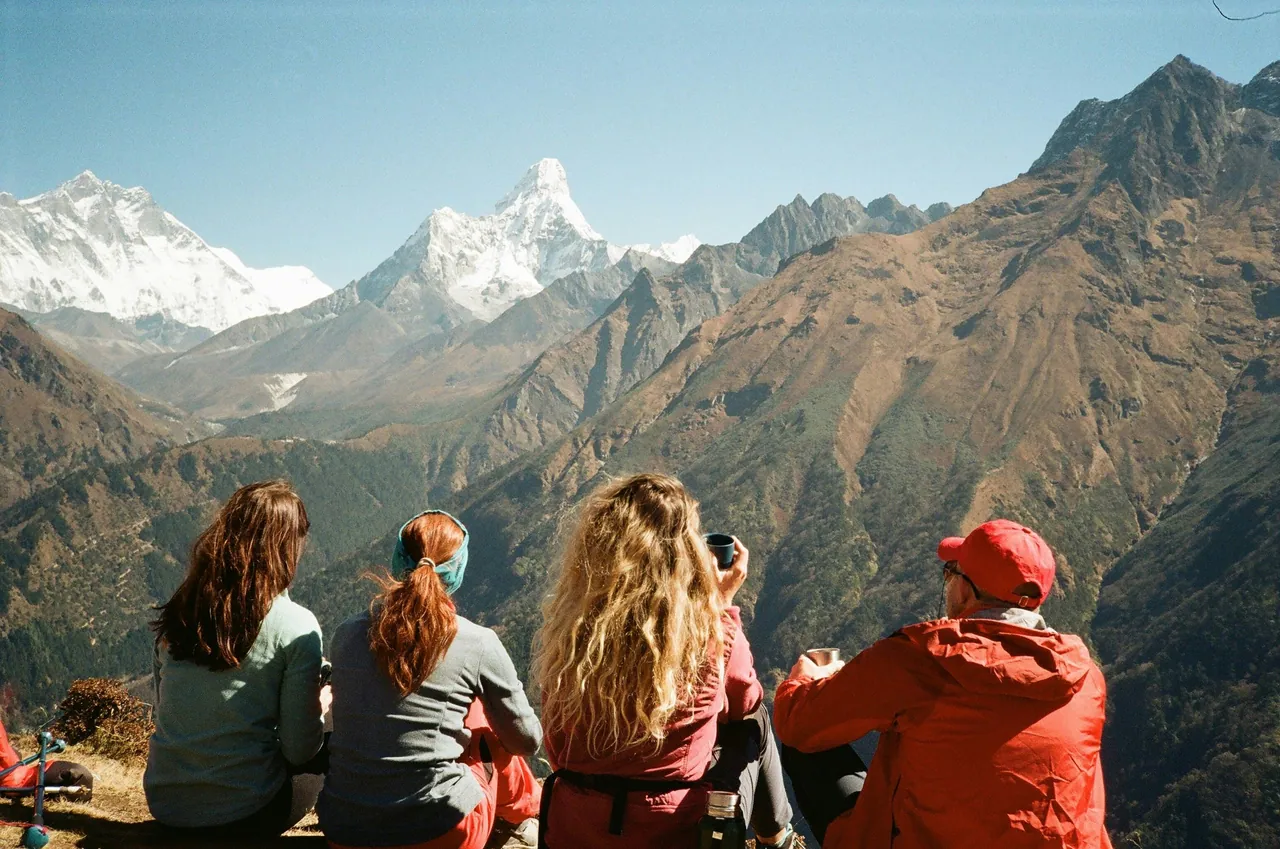
Everest begins on a hill near home
Every climber on that summit ridge started with weekend treks and a training plan. Find people to walk with, and start building the base.