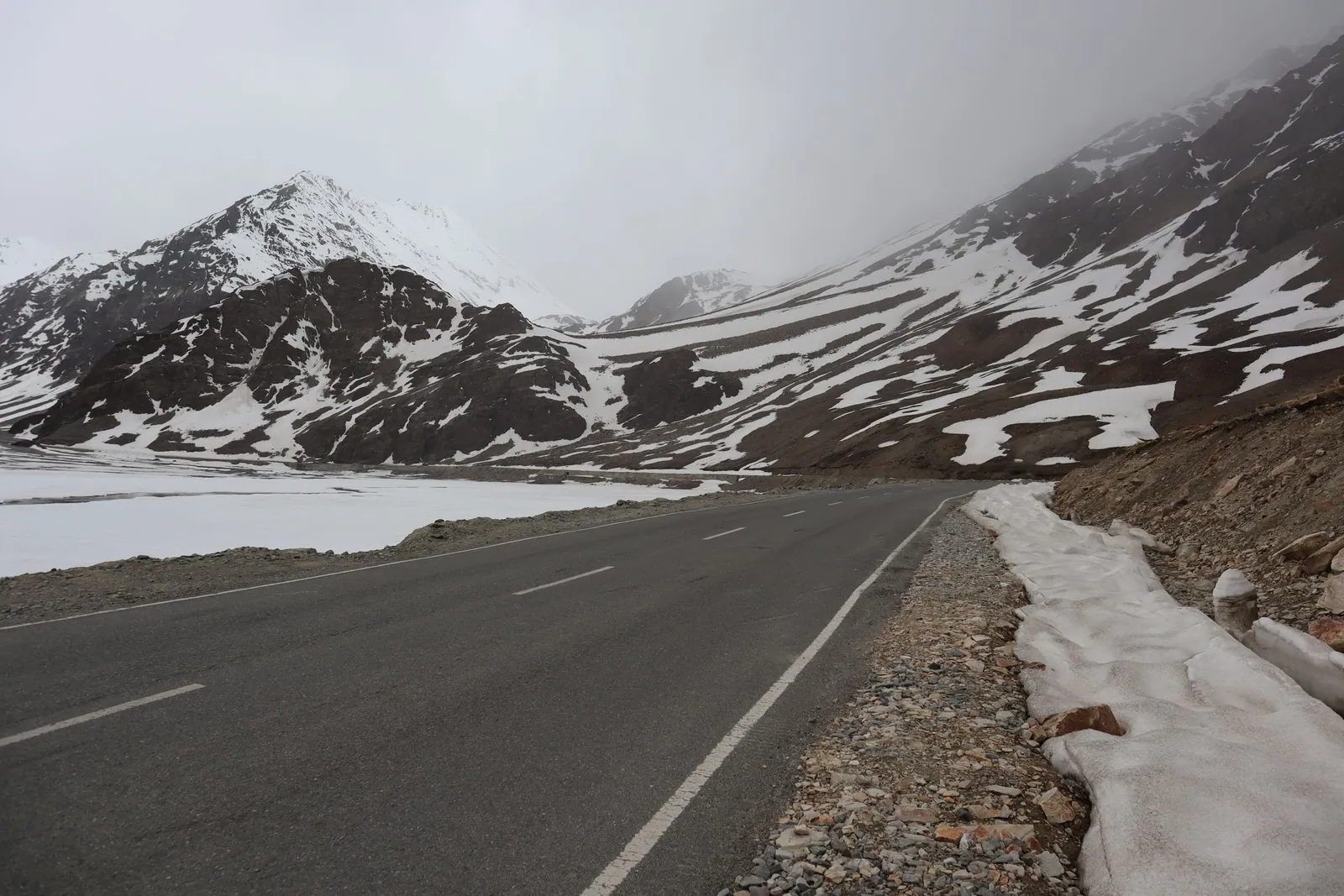
Most treks in India do not need a formal permit, but a growing number need something: an Inner Line Permit, a forest entry ticket, an online slot, or registration at a check post. The rules differ by state and change often, especially since several states introduced caps and online booking to manage crowds. This guide gives you the shape of the system so you know what to check before each trip.
The Four Kinds of Permission
On top of these, district administrations can issue temporary orders, such as monsoon bans or weather-related closures, that override everything else for their duration.
- Inner Line Permits (ILP): for Indian citizens entering certain North-Eastern states
- Protected and Restricted Area Permits (PAP/RAP): mainly for foreign nationals in border areas
- Forest and wildlife permits: entry fees and camping charges in national parks and sanctuaries
- Online slot booking and daily caps: increasingly used for popular, crowded treks
North-East: Inner Line Permits
Indian citizens from outside the state need an Inner Line Permit to enter Arunachal Pradesh, Nagaland, Mizoram and Manipur. These are now largely available online through state e-ILP portals, and treks in these states also need the ILP. Keep printed and digital copies, and carry the same ID you applied with.
Sikkim does not require an ILP for Indian citizens for general travel, but restricted areas, including many high-altitude trekking routes such as the Goecha La trail from Yuksom, need permits arranged through registered operators. Foreign nationals need a Restricted Area Permit for Sikkim.
Ladakh and Jammu & Kashmir
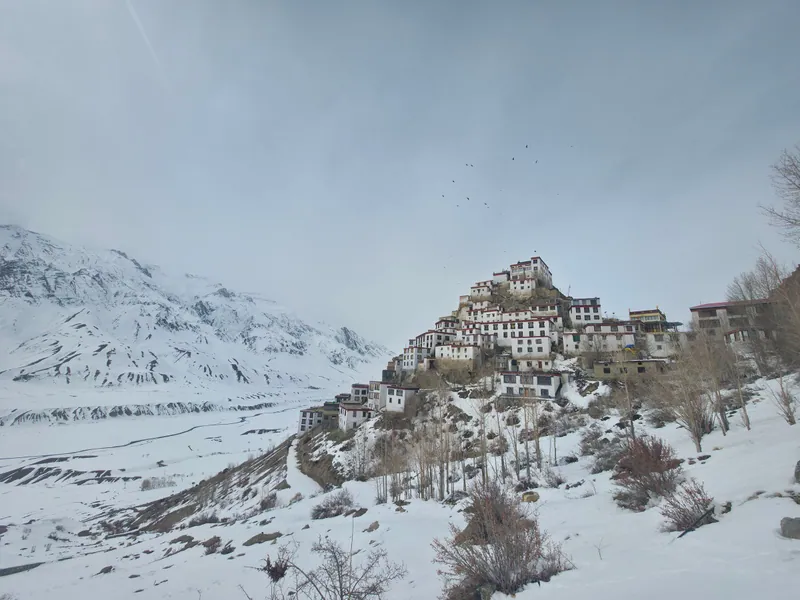
Ladakh removed the Inner Line Permit requirement for Indian citizens in 2021, but visitors to some areas still pay environment and related fees and may need to register, and foreign nationals still need Protected Area Permits for many regions. Check the Leh district's official portal before you go.
In Jammu and Kashmir, high-altitude treks like the Kashmir Great Lakes involve registration and security checkpoints, and routes can be closed after security reviews, as happened in 2026. Treks here should be booked through established registered operators who can confirm route status in writing.
Uttarakhand
Many of Uttarakhand's popular treks lie in protected areas, such as Govind Pashu Vihar for Kedarkantha and Har Ki Dun, the Valley of Flowers National Park, and the Gangotri National Park for the Gaumukh trail. Each charges forest entry and camping fees, and some, like Gaumukh, have daily caps and permits issued in advance.
Operators normally include forest permits in their price. If you are trekking independently, the relevant forest or range office at the trailhead town is where to confirm the current requirement.
Himachal Pradesh
- Triund: a forest department entry fee and daily cap since late 2023, with extra charges for staying overnight
- Kangra district: restrictions on high-altitude trekking during weather alerts, with police permission required at times
- Manali area: a check post registration for Hampta Pass, and camping licences from 2025
- Spiti and Kinnaur: foreign nationals need permits near the border
Karnataka: Online Booking
Karnataka's forest department moved many popular Western Ghats treks to online booking through its Aranya Vihaara portal, with daily caps and closures in the monsoon and summer. In 2026 the Kumara Parvatha trek from Kukke Subramanya went further: online booking only, 150 trekkers a day, an early start and no overnight stays. Expect similar rules on other trails, and never assume walk-in entry.
Maharashtra and the Sahyadris
Most Sahyadri forts do not need a permit. The main exceptions are treks inside wildlife sanctuaries, such as Andharban, which since 2025 requires online booking with a daily cap and a compulsory guide, and the monsoon orders issued each year by district administrations. In 2025, orders restricted tourism at Rajgad and Torna and covered Lohagad, Visapur, Tikona and the Pawna area, among others.
Some forts also have local rules, such as registration and a ban on night climbing at Kalavantin Durg. Check before you go, especially between June and September.
West Bengal
The Sandakphu and Phalut trek runs through Singalila National Park, which requires an entry permit from the forest office in Manebhanjan or at the park check post, and a registered local guide. The park closes from mid-June to mid-September.
A Pre-Trek Permit Checklist
- Is the trail inside a national park, sanctuary or border area?
- Is there an online booking portal or daily cap? When does booking open?
- Is there a current district order, especially in the monsoon?
- Which original ID do you need to carry, and how many copies?
- Does your operator include the permit, and can they show it?
Frequently Asked Questions
Let the Organiser Handle the Paperwork
Browse treks where permits and registration are listed in the inclusions.
Browse Upcoming TreksKeep Reading
More from the TrekVerse journal: