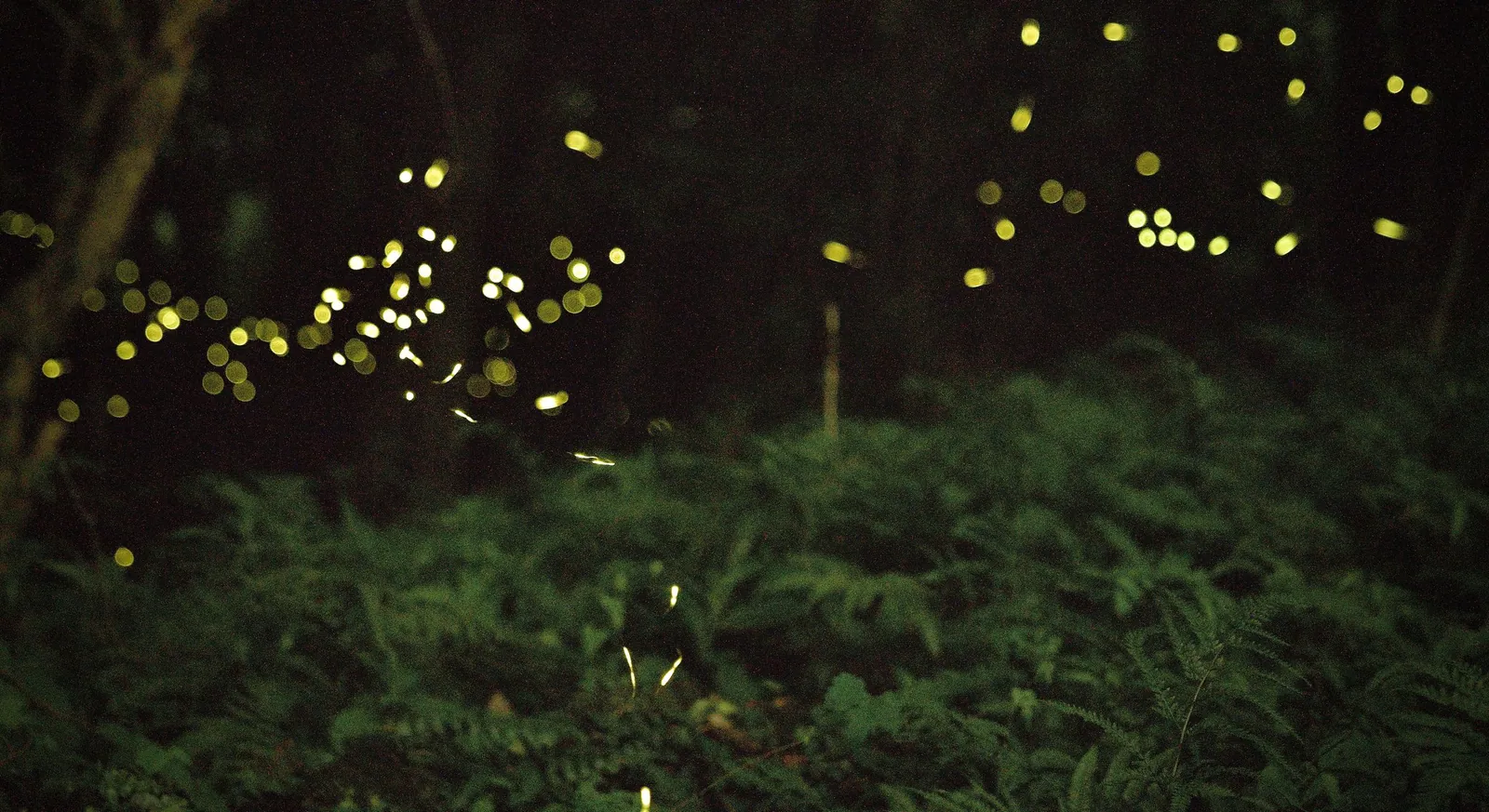
For a few weeks each year, just before the monsoon breaks, the trees around Purushwadi and the Bhandardara hills glow with thousands of fireflies flashing in the dark. It is one of the most magical natural events in Maharashtra, and the village has built a small, community-run tourism season around it. It is also fragile, and the crowds it attracts can damage the very thing they come to see. Here is how to see it well.
When Is Firefly Season?
The display happens in the pre-monsoon weeks, roughly from late May into the first half of June, when the air is warm and humid and the first showers have come but the heavy rain has not. Operators and villages typically run trips from the last week of May to around mid-June, with dates varying by a week or two from year to year depending on the weather.
Once the monsoon arrives in earnest, the display fades quickly. The best viewing is in the first few hours after dark, roughly 7 to 10 pm, on nights without heavy rain or bright moonlight.
About Purushwadi
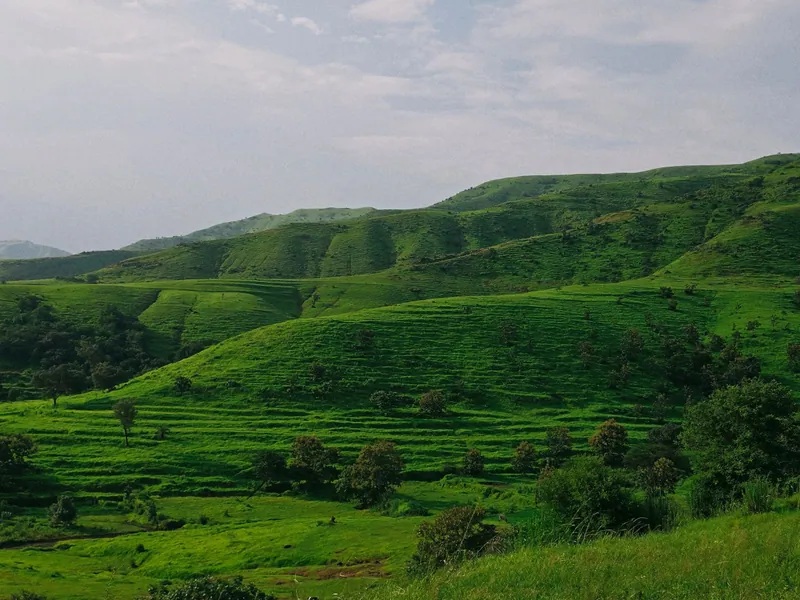
Purushwadi is a small tribal village in Akole taluka, in Ahilyanagar district, near Bhandardara and roughly 200 km from Mumbai. For many years its firefly season has been promoted through rural tourism initiatives such as Grassroutes, which work with villagers to host visitors in simple tents or homes, cook local meals and guide walks, with income going to the community.
Staying in the village means waking to farm life, walking through fields and forest by day, and watching the fireflies at night with villagers who know the best spots.
Other Places to See Fireflies
Many trek groups run firefly camps at these places during the season. The same rules apply everywhere: the fireflies need dark, undisturbed forest.
- Bhandardara area: forests around the lake and villages near Ratangad
- Rajmachi: the forest along the Lonavala and Karjat trails
- Prabalmachi: the village below Kalavantin Durg and Prabalgad
- Bhimashankar and the Ahupe area: forest villages north of Pune
Firefly Etiquette
- Turn off torches and phone screens once you are at the viewing spot
- Use a dim red light if you must, pointed at the ground
- Never use camera flash
- Do not catch fireflies or put them in bottles
- Stay on paths; many fireflies live in the leaf litter and grass
- No loud music, no fires near the viewing area, and no alcohol on the trails
- Keep groups small and quiet
Fireflies use light to find mates. Bright lights and trampled habitat interrupt that, and repeated disturbance can reduce populations in following years.
Getting There
From Mumbai, travel towards Igatpuri and then via Ghoti and Rajur towards Bhandardara and Purushwadi; from Pune, via Sangamner and Akole. Public transport is limited in the last stretch, so most visitors come with an organised group or by car. Expect a 4 to 5 hour drive from either city.
What to Carry
- A red-light headlamp, or red cellophane over a normal one
- Insect repellent and long sleeves
- Light rain protection; showers are common
- Shoes for muddy paths
- A tripod and patience for photographs, never flash
Photographing Fireflies
Fireflies are photographed with long exposures, typically several seconds or longer, with the camera on a tripod and multiple frames stacked afterwards. Phones with night modes can capture some of the display. It is easy to spend the whole evening looking at a screen; take a few frames and then just watch.
Frequently Asked Questions
Keep Reading
More from the TrekVerse journal: