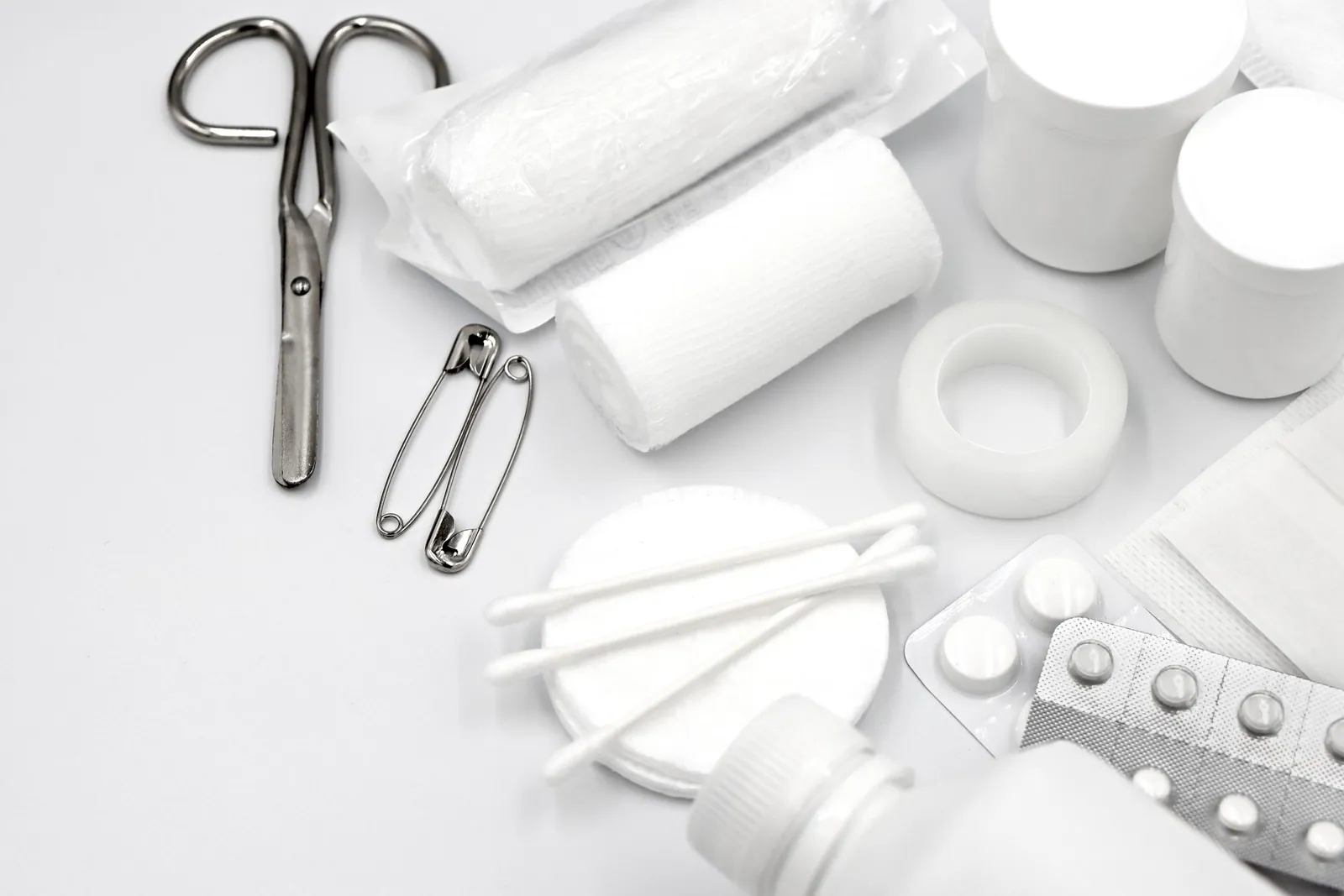
When you are out on a self-sustained night trek in India, you are hours away from the nearest medical facility. A compact, well-organised first-aid kit is the difference between a quick fix on the trail and a full-blown evacuation — here is exactly what to pack and why.
The darkness compounds every risk. A misplaced step on a loose rock or a hidden root can quickly turn a routine walk into a sprain or a deep cut — and at 3:00 AM on a remote ridge, help is a long way off. A first-aid kit is not optional gear; it is core safety equipment, just like your headlamp.
Your kit needs to be compact, lightweight, and split into three clear categories so you can find things fast in the dark: Trauma & Wound Care, Trek-Specific Medications, and Night/Emergency Essentials. Only carry medicines you are not allergic to, and check with a doctor before relying on any medication — especially at high altitude.
Why a First-Aid Kit Is Non-Negotiable at Night
- You are usually hours from the nearest road or medical facility.
- Darkness makes trips, slips, and scrapes far more frequent.
- A small, untreated injury can escalate into an evacuation.
- A ready kit lets you treat problems on the spot and keep moving safely.
- Trauma and wound care items that actually matter
- Trek-specific medicines to pack (and label)
- Night and outdoor emergency essentials
- How to pack and store your kit so anyone can find it
Here is the complete checklist, organised into the three categories your kit should have, plus a simple packing rule at the end.
Extra Items for High-Altitude Treks
Above 3,000 m, the most important first aid is knowledge: recognising altitude sickness early and descending when needed. Our altitude sickness guide covers the warning signs.
- Any altitude medication your doctor has prescribed, with clear dosing notes
- A pulse oximeter, useful as a guide but never a substitute for watching symptoms
- Rehydration salts: dehydration and altitude symptoms overlap
- Blister kit with moleskin or hydrocolloid plasters for long descents
- Lip balm and high-SPF sunscreen for snow glare
A Note on Satellite Devices
Satellite messengers such as the Garmin inReach are effectively prohibited in India without a licence, and travellers have been detained at airports for carrying them. Do not add one to your emergency kit for an Indian trek. Rely instead on your operator's communication plan and note where the last mobile signal is on your route.
Frequently Asked Questions
Pack Smart, Trek Safe
Sort your first-aid kit, then find your next adventure. Discover upcoming Sahyadri treks and trekking groups on TrekVerse.
Explore TreksThe Complete Trekking First-Aid Kit Checklist
1. Trauma & Wound Care (The Fixers)
- Elastic crepe bandage (3-inch) — the single most critical item for sudden ankle twists or knee sprains on uneven terrain.
- Betadine/povidone-iodine ointment & antiseptic wipes — clean out dirt, rust, and trail grime before wrapping any wound.
- Sterile gauze pads (3x3 inch) & micropore tape — standard band-aids won't handle jagged rock cuts or deep scrapes.
- Blister bandages or moleskin — patch a 'hot spot' on your heel or toe the moment you feel it on steep descents.
- Small tweezers & scissors — for thorns, splinters, and cutting tape cleanly (never with your teeth).
2. Trek-Specific Medications (Internal Relief)
- Pain relief & anti-inflammatory — Ibuprofen (400mg) or Combiflam for aches and minor sprains; Paracetamol for sudden fevers.
- Gastrointestinal shield — Loperamide for loose motions plus ORS / Electral packets; dehydration is a fast route to evacuation.
- Antihistamines — Cetirizine or Avil for insect bites, plant rashes, or allergic reactions.
- Anti-emetic — Ondansetron (Emset) for nausea, an early sign of Acute Mountain Sickness (AMS) on high-altitude night treks.
- Pack all medicines in a watertight ziplock bag, clearly labelled, and only carry what you are not allergic to.
3. Night & Outdoor Emergency Essentials
- Insect / leech protection — a small DEET-based spray, or Dettol/salt to safely detach leeches in the Western Ghats after rain.
- Emergency thermal mylar blanket — weighs nothing and reflects ~90% of body heat; prevents hypothermia if someone must sit still in cold wind.
- Extra batteries / power bank — if your primary headlamp fails, your kit is useless in the dark, so keep a backup light source here.
The Packing Rule (Store It Right)
- Use a bright red or neon waterproof pouch — you need to find it instantly in low light.
- Place it at the top of your rucksack's main compartment, not buried at the bottom.
- Make sure every single person in your group knows exactly where it is.
- Keep medicines in their own labelled ziplock inside the pouch to stay dry.
Who Needs What
Scale your kit to your role and the trek — but never skip the basics.
- Solo / lightweight trekkers: carry the full personal kit; there is no one else to rely on.
- Trek leaders & organisers: add extra crepe bandages, a larger antiseptic supply, and a spare mylar blanket for the group.
- Beginners: prioritise crepe bandage, antiseptic, ORS, blister care, and a backup light before anything fancy.
Night-Trek Medical Safety Tips
A kit only helps if you use it well. A few habits keep small problems small:
- Treat blisters and 'hot spots' the instant you feel them — don't wait for the next break.
- Clean every wound before covering it; infected cuts are far worse to manage on the trail.
- Start ORS early when someone has loose motions or is sweating heavily — don't wait for dehydration.
- On high-altitude treks, treat nausea and headache as possible AMS and descend if they worsen.
- Only administer medicines the person is not allergic to, and follow a doctor's guidance.
Explore More Trekking Guides
Build the rest of your night-trek setup with these TrekVerse gear and safety guides: