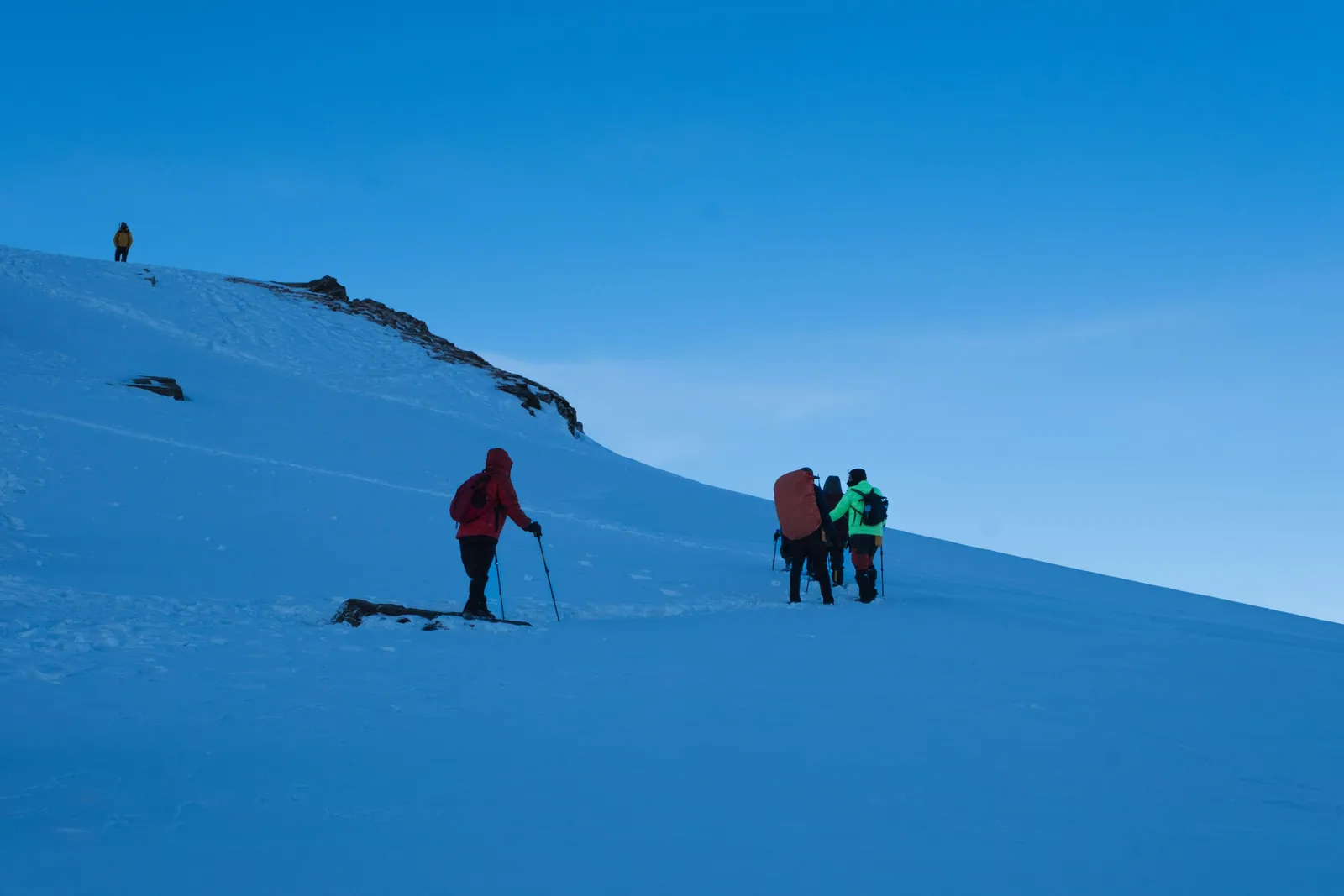
Your first trek should build confidence, not doubt about ever doing it again. This guide lists 10 genuinely beginner-friendly treks across India — short enough to finish comfortably, well-marked enough to not need technical skill, and rewarding enough that you'll want to do another one. Ratings here are honest: a trek only made this list if a first-timer can realistically enjoy it.
"Easy" means something different depending on who's asking. For this list, a beginner trek is one that's under 10 km on the trail, gains under 600–700m of elevation in a day, is well-marked or has an established route, and doesn't require any rope work, glacier crossing, or technical scrambling.
Most of these can be done as a day trek; a few are better as an easy overnight, which is a great next step once you've done one or two day treks.
What Makes a Trek Genuinely Beginner-Friendly
- A short, well-marked or well-trodden trail — you shouldn't need a guide to avoid getting lost.
- Moderate elevation gain spread over a reasonable distance, not a steep single push.
- Easy access — a base village or trailhead reachable by road, not requiring days of approach.
- A supportive local or organised-group ecosystem, so help is available if something goes wrong.
- Lohagad Fort (Maharashtra) — the classic first fort trek near Pune
- Sinhagad (Maharashtra) — close to the city, ideal for a first sunrise trek
- Tikona Fort (Maharashtra) — a short, pyramid-shaped peak near Pune
- Triund (Himachal Pradesh) — Himachal's most popular beginner Himalayan trek
- Kedarkantha (Uttarakhand) — a beginner-friendly Himalayan summit and snow trek
- Nag Tibba (Uttarakhand) — a short, accessible Himalayan overnight trek
Here's the full top 10, with what to expect from each.
Detailed Guides to the Best First Treks
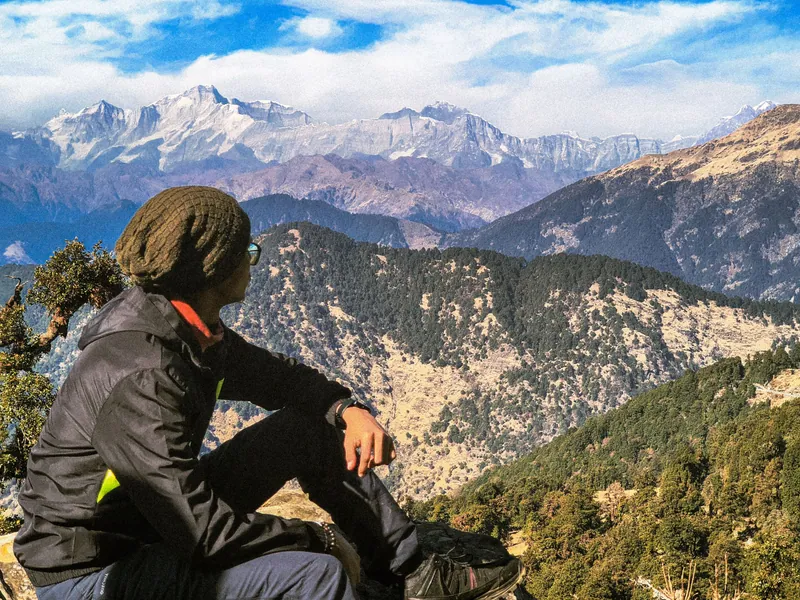
Each of these now has an in-depth TrekVerse guide with itinerary, difficulty, season, cost and current permit rules. Before any Himalayan trek, read our altitude sickness guide.
- Kedarkantha: the classic winter summit trek from Sankri
- Brahmatal: a quieter winter ridge walk facing Trishul
- Chopta-Tungnath-Chandrashila: a short trek to a 4,000 m summit
- Triund: a half-day climb to a Himalayan ridge above McLeod Ganj
- Sandakphu: a teahouse trek with views of Everest and Kangchenjunga
- Lohagad and Sinhagad: the easiest fort treks near Pune and Mumbai
Frequently Asked Questions
Ready for Your First Trek?
Find a beginner-friendly trek near you and join a verified group on TrekVerse — no experience or gear stress required to get started.
Explore TreksThe Top 10 Beginner Treks in India
Maharashtra: Easiest Fort Treks Near Pune & Mumbai
- Lohagad Fort — roughly 5–6 km one way, well-paved steps for most of the climb, a monsoon favourite.
- Sinhagad — close to Pune city, a popular early-morning and sunrise trek.
- Tikona Fort — a short, steep-but-manageable pyramid peak with panoramic views.
- Korigad Fort — a gentle climb near Lonavala with a fort wall walk at the top.
Himachal Pradesh: Beginner Himalayan Trails
- Triund — the single most popular first Himalayan trek in India, roughly 9 km one way from McLeodganj, with a dramatic Dhauladhar backdrop.
- Kareri Lake — a step up from Triund, still manageable for a fit beginner over 2 days.
Uttarakhand: Beginner-Friendly Himalayan Overnights
- Kedarkantha — widely recommended as a first snow trek, with a well-established trail, camps, and a genuine summit feel.
- Nag Tibba — a short 2-day trek reachable from Dehradun, good as a first-ever overnight in the mountains.
- Chopta-Tungnath — one of the highest motorable points in India, from where the trek to Tungnath temple is short and rewarding.
How to Prepare (Even With Zero Experience)
- Walk regularly for 2–3 weeks before your trek — even 30 minutes a day builds real stamina.
- Break in your trekking shoes well before the trek; new shoes on trail day is how blisters happen.
- Pack light — a 20–30L daypack is enough for most beginner day treks.
- Carry 1.5–2 litres of water, a cap, sunscreen, and a basic first-aid kit even on short treks.
What to Expect on Your First Trek
- It will be harder than you expect for the first 20–30 minutes, then your body settles into a rhythm.
- Going down is often harder on the knees than going up — take it slow and use trekking poles if you have them.
- The view at the top is genuinely worth it — that's not a cliché, it's the reason people keep coming back.
Which Trek Should You Pick First?
A simple way to choose your very first trek:
- Live near Pune or Mumbai? Start with Lohagad or Sinhagad — both are a short drive away and very forgiving.
- Want a taste of the Himalaya without a huge commitment? Triund is the classic starting point.
- Ready for an overnight in the mountains? Kedarkantha or Nag Tibba are the most beginner-friendly options.
- Prefer company over going solo? Join an organised or community group for your first trek — it removes almost all the planning stress.
Beginner Safety Basics
A handful of rules that cover most beginner mistakes:
- Never trek alone on an unfamiliar trail for your first few outings — go with a group or organiser.
- Start early — most trekking accidents happen when people are rushing to beat the dark.
- Turn back if you're exhausted, in pain, or the weather turns — the trek will still be there another day.
- Tell someone your route and expected return time before you start, even for a short day trek.
Keep Reading: More TrekVerse Guides
Build your trekking knowledge with these guides: