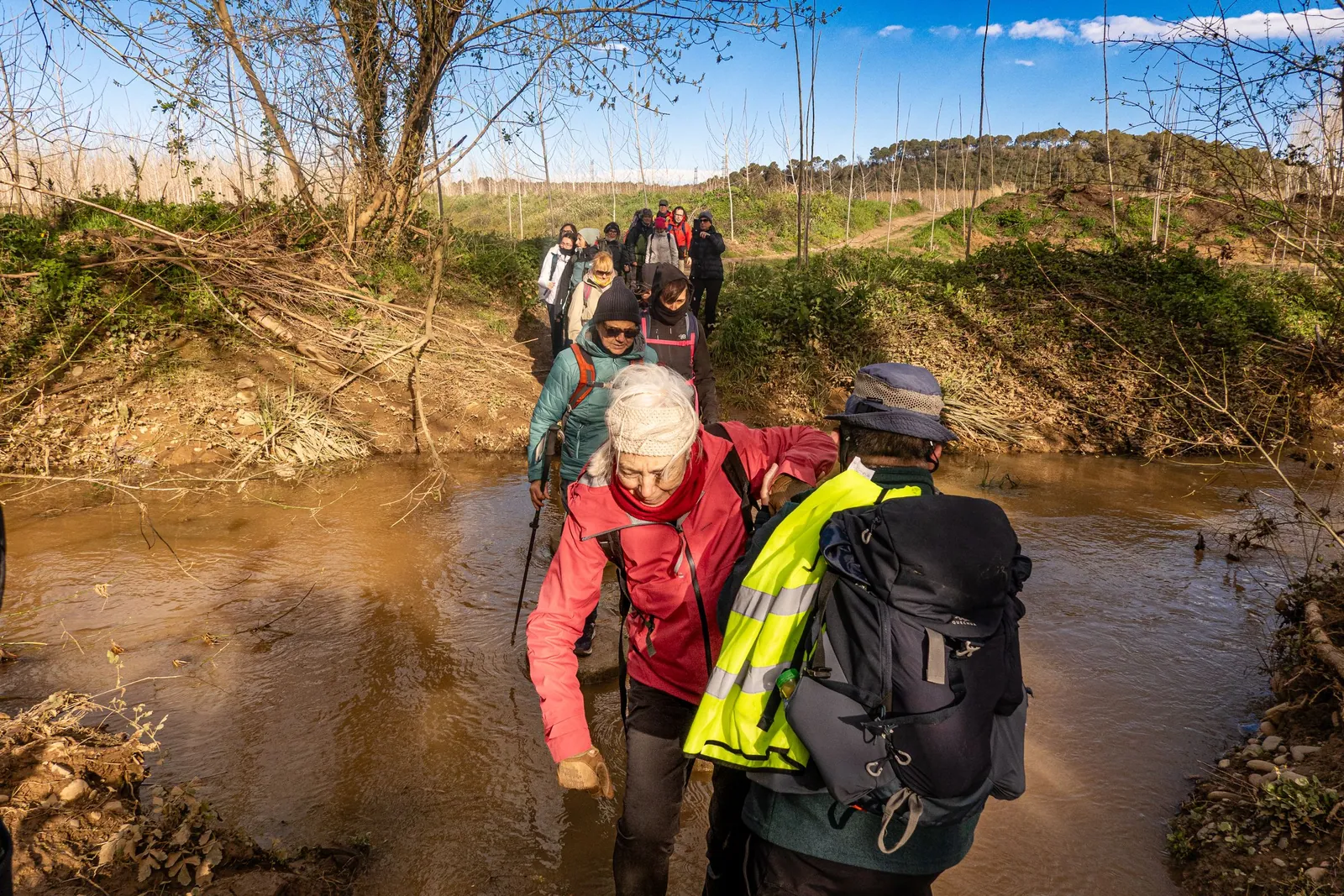
Nobody's first trek anxiety is really about the mountain. It is about turning up at 5am to a vehicle full of strangers, not knowing whether you are fit enough, and worrying about being the person everyone is waiting for. All of that is manageable, and most of it dissolves within the first hour of walking. Here is exactly what happens on a first Indian group trek, in order, and what to do at each stage.
Choosing the Right First Trek
The single biggest determinant of whether you enjoy your first trek is picking one slightly below what you think you can manage. A trek that leaves you tired and pleased is one you will repeat. A trek that leaves you shattered and embarrassed usually ends the hobby before it starts, and a surprising number of people never trek again after one badly chosen first outing.
For a first trek, look for a one-day route with a short walking time, a well-marked trail, and a large group, because large groups on easy routes always contain people slower than you. In the Sahyadris, Lohagad, Tikona and Rajmachi are the standard first treks for good reason — short, forgiving, and busy enough that you are never alone on the trail. Avoid starting with anything described as challenging, anything involving a night descent, and anything at altitude.
- Pick a one-day trek with three to four hours of total walking
- Prefer a well-known, well-marked route over an offbeat one
- Larger groups are more forgiving for a first trek, not less
- Avoid monsoon rock patches and night descents on a first outing
- Check the trek's difficulty grading and take it seriously
Being Honest About Fitness
The useful baseline for an easy Sahyadri fort trek is being able to walk continuously for around an hour and climb several flights of stairs without needing to stop. If that sounds comfortable, an easy day trek is well within reach with no special preparation. If it does not, two or three weeks of walking with some elevation makes an enormous difference — more than any gear purchase will.
When the organiser asks about your fitness, answer accurately rather than optimistically. This is not a test and there is no advantage to overstating it. Trek leaders use the answer to decide pacing, where to position you in the group, and how much attention you need on the descent. An honest beginner is easy to look after; an overstated one becomes a problem at the worst point of the trail.
Packing: What Actually Matters
For a one-day trek you need less than most packing lists suggest, but a few items genuinely matter and the rest is weight.
- Two to three litres of water — the most common thing beginners underestimate
- Shoes with real grip; trail shoes or sturdy sports shoes, never new and unbroken-in
- Quick-dry clothing — avoid cotton, which stays wet and cold once you sweat
- A small daypack that sits on your back, not a sling or a tote
- Sunscreen, a cap, and sunglasses; Sahyadri sun is harsher than it looks
- Quick energy food: dates, peanuts, chikki, a couple of bananas
- A basic first aid kit with your own regular medication
- A power bank and cash in small notes
- Monsoon only: a poncho or rain jacket, and a dry bag or ziplock for your phone
The two mistakes that ruin more first treks than anything else are cotton clothing and brand-new shoes. Both are entirely avoidable.
The Night Before and the Pickup
Most weekend treks from Pune and Mumbai leave extremely early or overnight, which means the practical challenge starts before the trail does. Eat a proper meal the night before, sleep as much as the schedule allows, and pack completely before you sleep rather than in the morning. Set two alarms. Missing a 5am pickup is the most common way a first trek ends before it begins, and groups do not wait.
The organiser will usually create a WhatsApp group a few days before with the pickup point, timing, and packing list. Read it properly, and if anything is unclear, ask in the group — several other first-timers will be wondering the same thing and nobody will think less of you. Reach the pickup point ten minutes early. Trek groups run on the assumption that everyone is on time, and the entire day's schedule compresses when they are not.
The Drive and Meeting the Group
The drive is where the group forms, and it is easier than you expect because everybody is in the same position. Most people on the vehicle came alone, most have done a handful of treks at most, and the conversations are almost always the same three questions about where you are from, whether you have trekked before, and what you do. You do not need a strategy for this.
Somewhere on the drive the trek leader will introduce themselves and run through the plan — route, timings, where the breaks are, what the descent looks like. Listen to this properly rather than sleeping through it, because it is the only time the whole plan is stated in one go, and knowing roughly when the hard section arrives makes it considerably easier to manage.
On the Trail
Start slower than feels natural. Almost every beginner sets off too fast in the first twenty minutes, riding enthusiasm and the pace of fitter people around them, and pays for it an hour later. Find a pace you could hold while talking, and hold it. Trekking is not a race and arriving at the top comfortable is the entire objective.
Drink water regularly rather than waiting to feel thirsty, and eat something small at each break even if you are not hungry, because the effect of both shows up an hour after you needed them. Stay within sight of the group — racing ahead and dropping far behind are both problems for the leaders, and the second one is how people get lost on unmarked branches of an otherwise obvious trail. If you need to step off the trail for any reason, tell a leader first, every time, without exception.
- Set off deliberately slow for the first twenty minutes
- Drink before you are thirsty; eat small amounts at every break
- Stay within sight of the group in both directions
- Tell a leader before stepping off the trail for any reason
- On the descent, go slower than the ascent — most injuries happen coming down
Group Etiquette Nobody Explains
None of this is written down anywhere, and all of it is noticed. Getting it right is most of what makes people want to trek with you again.
- Be on time. The whole day compresses around one late person.
- Carry your own waste out, fruit peels and cigarette ends included.
- No loud music on the trail — the fastest way to irritate everyone present.
- Follow the trek leader's route and timing calls without debating them.
- Help the person struggling behind you; you will be that person eventually.
- Ask before photographing villagers, and before posting photos of other participants.
- Do not carve, chip or scratch anything at a fort. This should not need saying and does.
If You Cannot Finish
Some people will not complete their first trek, and it matters far less than it feels like at the time. What matters is saying so early. A group with an adequate leader ratio can turn one person back safely from a comfortable point while everyone else continues, and trek leaders deal with this on a routine basis without any judgement attached.
The situation that causes real problems is the opposite one: pushing on silently past the point of comfort and running out of capacity at the hardest section, where turning back is much harder and an evacuation may become necessary. Speak up while the options are still easy. Nobody remembers who turned back; everybody remembers the trek that got dramatic.
Afterwards
Expect to be sore two days later rather than one — delayed muscle soreness peaks around forty-eight hours, particularly in the quadriceps after a long descent, and it is entirely normal. Eat properly, rehydrate more than feels necessary, and walk a little the next day rather than staying still.
The more useful thing to do afterwards is social. Stay in the trek WhatsApp group, share your photos into it, and say yes to the next trek somebody proposes. This is how essentially every regular Indian trekker built their circle: one trek with strangers, then a second one where two of them are now familiar, and within a few months a group that plans its own weekends. The first trek is the hard one precisely because it is the only one where you know nobody.
Frequently Asked Questions
Find an Easy First Trek
Browse beginner-friendly weekend treks with published difficulty, group size and timings — so your first one is the right one.
Find a Beginner TrekKeep Reading
Where to go next after your first trek: