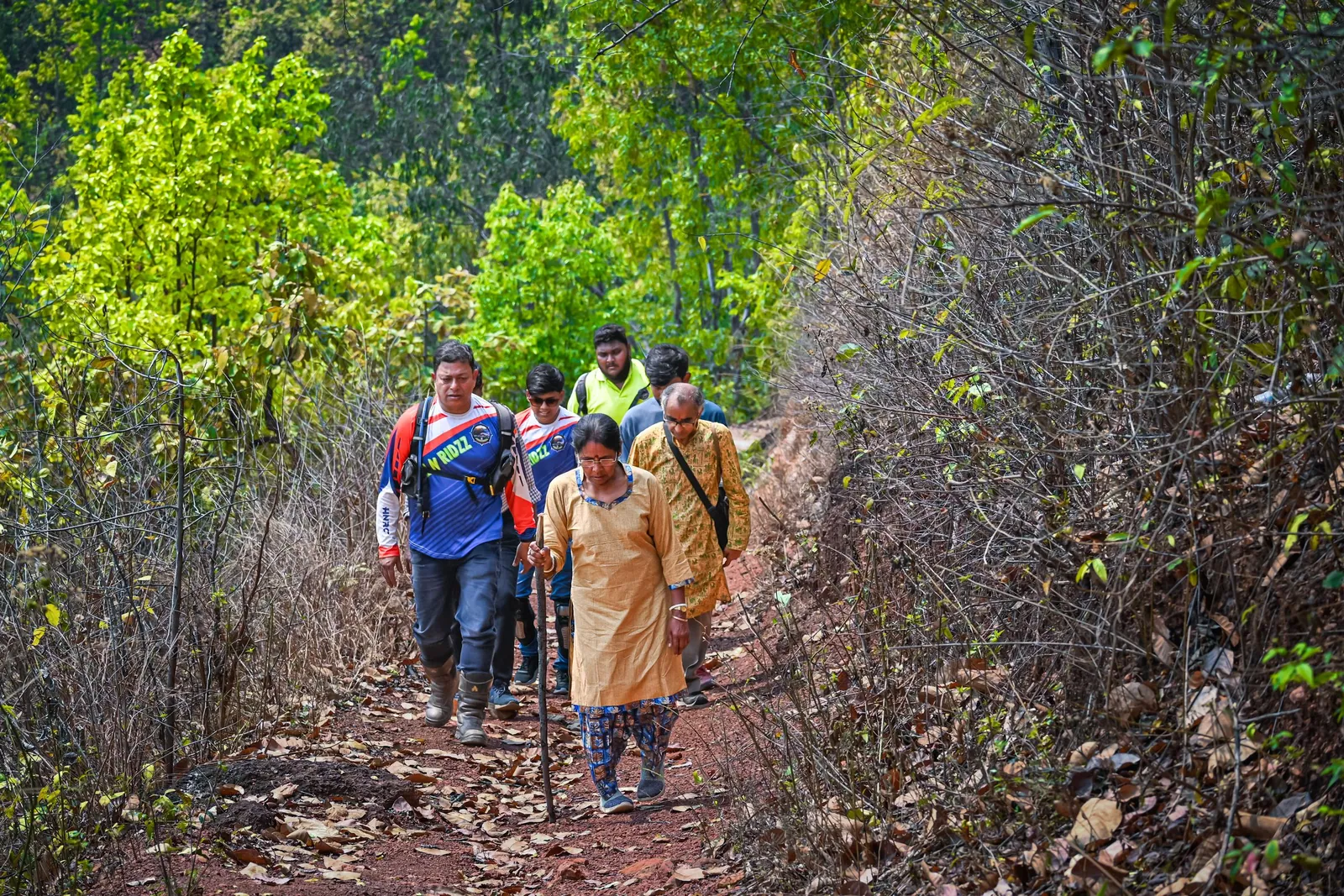
A few years ago, most Indian trekkers either had a fixed trekking group of friends or didn't trek much at all. That's changed. Community and group trekking — joining an organised batch with people you've never met — has become one of the fastest-growing ways people experience the outdoors in India. Here's why it's trending, and how to make sure the group you join is actually a safe, well-run one.
The rise of community trekking tracks closely with two broader shifts: more people moving to cities for work, away from existing friend circles who trek, and a general growth in interest in outdoor and adventure activities post-pandemic. Group treks solve the most common blocker people cite for not trekking more — 'I don't have anyone to go with' — while also making solo travelers feel less isolated in the mountains.
But the appeal isn't purely logistical. Trekking with a group of strangers who become trail friends by the end of day one has become a genuine social activity in its own right, not just a workaround for not having trekking friends.
Why Group Treks Are Growing
The most obvious reason group trekking has taken off is that it removes the single biggest excuse people give for not trekking more often: not having anyone to go with. On a community trek you can book a spot entirely solo, and the group simply forms at the base point among people who all made the same call independently.
Beyond that practical fix, there's a real safety net built into the format — a trained trek leader, first-aid support, and a cluster of other trekkers around if something goes wrong. There's also a social dimension: many urban professionals now meet new friends through shared-interest activities like trekking rather than purely through work or existing circles.
An organiser typically handles all the logistics — permits, campsites, meals, and route knowledge — which lowers the barrier for first-timers considerably, and a meaningful number of trekkers end up returning to the same organiser or community again and again.
Safety in Numbers: What a Group Actually Adds
It's worth being specific about what a group actually adds beyond company:
- A trek leader trained in first aid, altitude sickness recognition, and navigation
- Redundancy — others can assist, fetch help, or share the load if someone is injured
- Shared knowledge of the specific trail and season
- More conservative, safer group decision-making on weather and turnaround calls
How to Pick a Verified, Trustworthy Organiser
Not every group trek is run equally well, so it's worth being deliberate about who you book with:
- Consistent trek history and genuine, verifiable reviews from past trekkers
- Trek leader-to-trekker ratio — avoid a single leader managing 40+ people
- Clear inclusions upfront: camping equipment, meals, permits, first-aid kit, evacuation plan
- Transparent safety protocols for altitude sickness and bad-weather turnarounds
- Visible verification status and real trekker feedback
What a First Group Trek Actually Feels Like
Most first-time group trekkers arrive at the meeting point a little nervous about walking up to a batch of complete strangers, and that nervousness usually evaporates faster than expected. The awkwardness of the first hour tends to give way to genuine conversation by the first tea break, and by the end of day one most batches have settled into an easy rhythm.
Trek leaders who run these batches regularly know this arc well and often structure the first evening around it, with a shared meal or a simple icebreaker that gets people talking before the trail itself has to do all the work.
By the final descent, it's common for a batch of twelve strangers to have turned into something closer to a temporary trekking family, exchanging numbers with genuine intent to stay in touch. Many organisers report a meaningful share of repeat trekkers who specifically ask to be batched with people they met before.
How Community Trekking Has Changed the Organiser Landscape
The growth in demand for group treks hasn't just changed who's on the trail — it's reshaped the organiser side of the industry too. A decade ago, most trek organisers ran informal operations built around a small, loyal group of regulars, recruited through word of mouth.
As demand from strangers looking to join a batch grew, organisers had to formalise: standardised pricing, published itineraries, dedicated trek leaders, and increasingly, digital platforms where trekkers can compare organisers and book without ever having met the group beforehand.
That formalisation has raised the baseline expectation for safety and transparency across the industry, and made trekking more accessible to people who don't fit the old profile of who trekked in India — from working professionals to solo women trekkers who specifically look for a track record of safe, well-managed batches.
Group Trekking Etiquette Worth Knowing Before You Go
Joining a batch of strangers works best when everyone understands a few unwritten rules:
- Match the group's pace — don't race ahead or lag the group hostage
- Be punctual at agreed meeting and departure times
- Be considerate with shared resources — tea stalls, campsite toilets, cooking areas
- Read the room — not everyone wants six hours of conversation
The Role of Technology in Community Trekking's Growth
It's worth acknowledging how much of community trekking's growth has been enabled by technology that simply didn't exist for most Indian trekkers a decade ago. Booking platforms have replaced the old process of hunting down an organiser's number through a friend of a friend, letting anyone browse batches, compare prices, and read reviews.
WhatsApp and Telegram groups now let entire trek batches coordinate logistics and start bonding days before they've even met in person, softening the first-day awkwardness that used to be unavoidable.
Social media has played a role too, if a more double-edged one — trek photos and reels have introduced trekking to a much wider audience, even as it's occasionally driven overcrowding on trails that go viral. On balance, the effect has been to make it far easier to find your specific trekking community than in the era of purely word-of-mouth organising.
Who Benefits Most from Community Trekking
Group trekking tends to work especially well for a specific set of people, even though almost anyone can enjoy it:
- Solo trekkers who want the mountains without trekking entirely alone
- Newcomers to a city with no existing trekking circle
- First-timers wanting the safety net of a trek leader before going solo
- Anyone who enjoys the social side — trail conversations, campfire evenings, lasting friendships
Frequently Asked Questions
Find Your Trekking Community
Discover verified trek organisers and join upcoming group treks with trekkers from your city on TrekVerse.
Explore TreksRelated Reading
More on trekking safely and finding your trekking people: