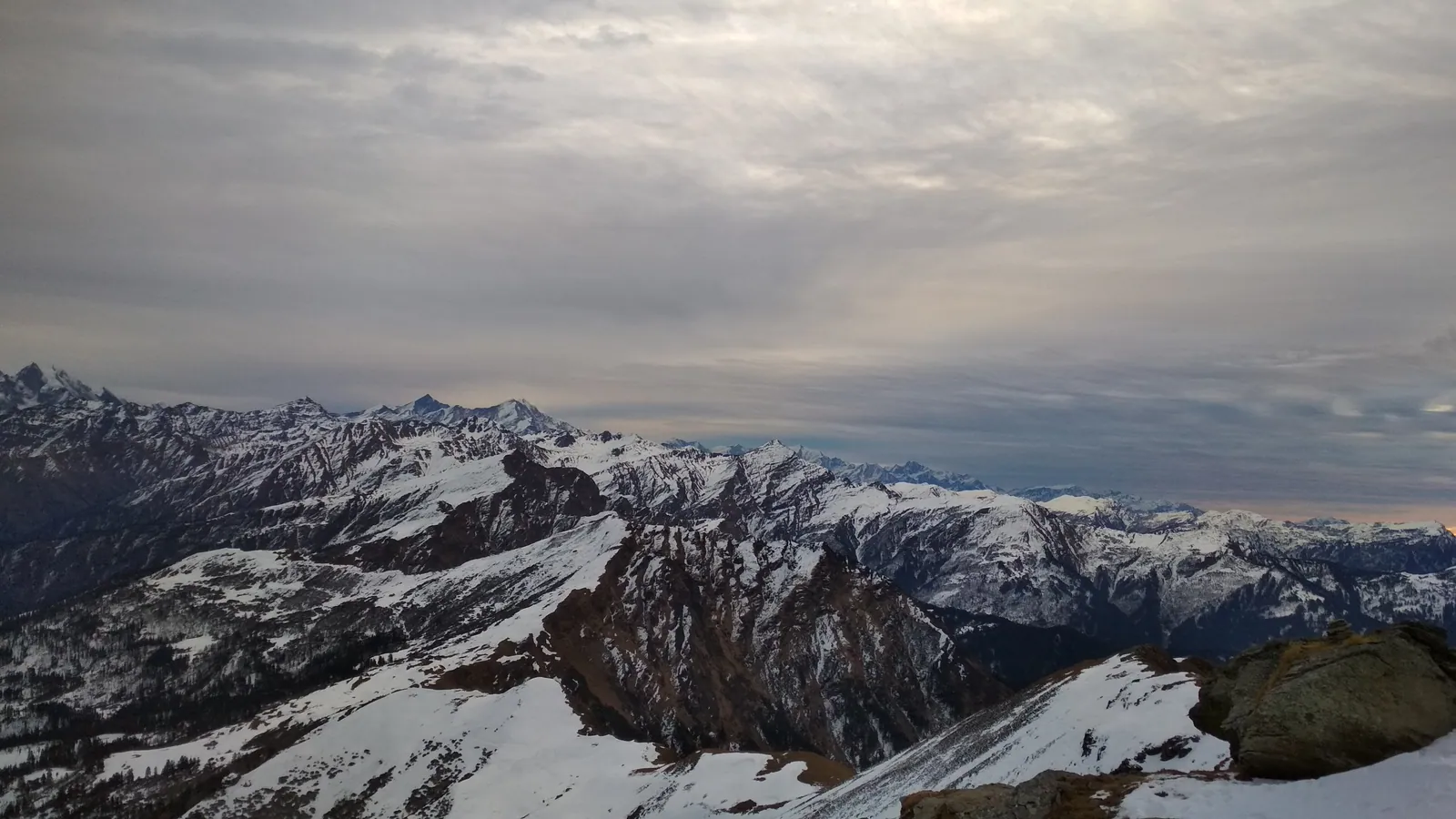
Kedarkantha is the trek that turns a lot of Indian trekkers into Himalayan trekkers. In five or six days it takes you from the village of Sankri through pine and oak forest, past a frozen lake, to a summit at about 3,800 m with a 360-degree view of the Garhwal giants. It is open almost all year, it is at its most magical in winter snow, and it is genuinely achievable for a fit beginner who prepares properly.
Kedarkantha at a Glance
- Summit: about 3,800 m (roughly 12,500 ft)
- Base village: Sankri, Uttarkashi district, about 190 km from Dehradun
- Duration: 5 to 6 days including travel from Dehradun
- Trek distance: about 20 km on foot over the trek days
- Difficulty: easy to moderate; the summit day is the hard part
- Best season for snow: mid-December to March
Getting to Sankri
Everyone starts in Dehradun. From there it is a long road journey of 8 to 10 hours via Mussoorie, Nainbagh, Purola and Mori to Sankri, a village of wooden houses at around 1,900 m in the Tons valley. Trek operators run shared vehicles from Dehradun early in the morning; you can also take a bus, though connections are slower.
Arriving in Dehradun the night before, or on an early train, gives you a buffer. In winter the last part of the road can be affected by snow, which is another reason not to plan travel too tightly.
A Typical Itinerary
Itineraries vary by operator. Some combine days to shorten the trek, and some route the descent through Hargaon. A plan with a base-camp night before the summit is easier on the body than one that rushes it.
- Day 1: Dehradun to Sankri by road
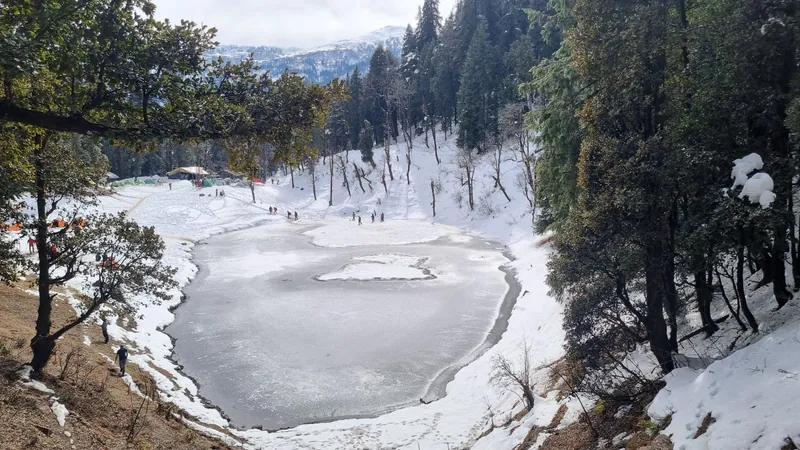
- Day 2: Sankri to Juda Ka Talab, about 4 km through forest, past the small lake that freezes in winter
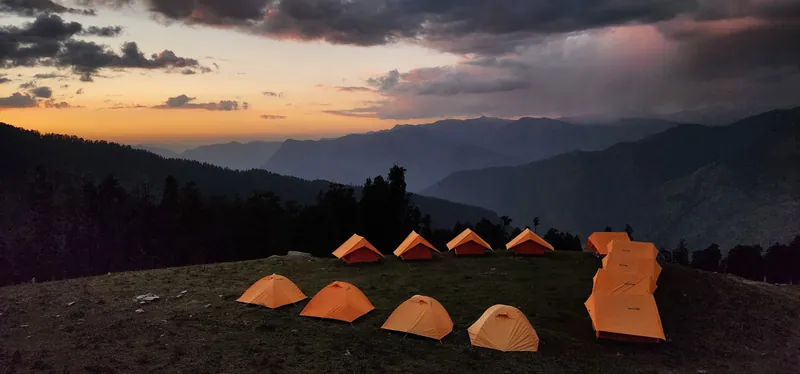
- Day 3: Juda Ka Talab to Kedarkantha base, a short climb to an open campsite with the summit in view
- Day 4: Summit push before dawn, then descend to Hargaon or base camp
- Day 5: Descend to Sankri
- Day 6: Sankri to Dehradun
How Hard Is the Summit Day?
Most of Kedarkantha is gentle forest walking with short, manageable days. The summit day is different: you leave base camp around 3 or 4 am, climb a steep ridge for 3 to 4 hours in the cold, often on snow, and then descend a long way. In deep snow, microspikes or gaiters are essential, and the final section to the top can be steep and icy.
The altitude is real but moderate. Most people feel some breathlessness above 3,000 m; headaches and poor sleep are common on the first night at height. Read our altitude sickness guide before you go and know the symptoms that mean you should descend.
Best Time to Go
Kedarkantha is known as a winter trek, and from mid-December to March you can expect snow from Juda Ka Talab upwards, with the deepest snow usually in January and February. Nights at base camp drop well below freezing, so the right sleeping bag and layering matter.
Spring (April to early May) brings melting snow and rhododendron blooms; autumn (October to mid-December) brings clear skies and sharp mountain views, with snow arriving late in the season. The monsoon months are generally avoided because of landslides on the approach road.
Cost and Permits
Most people trek Kedarkantha with an operator. Recent operator packages for the trek from Sankri commonly fall roughly between 8,000 and 12,000 rupees per person, plus GST, with transport from Dehradun, gear rental and insurance often extra. Ask exactly what is included: meals, tents, sleeping bags, the forest permit and the transfer.
The trail lies within the Govind Pashu Vihar protected area, and forest entry and camping charges apply. Operators generally include these in their price. If you are trekking independently, confirm the current permit process and fees with the forest office in Sankri or Purola before you start.
What to Pack for Winter
- A sleeping bag rated to about minus 10 degrees Celsius, or confirm your operator's
- Three insulating layers plus a windproof outer layer
- Waterproof trekking shoes with ankle support; microspikes and gaiters for snow
- Thermal innerwear, woollen socks, gloves and a warm cap
- Sunglasses with UV protection for snow glare
- Sunscreen, lip balm and a 1-litre insulated bottle
Preparing Your Body
Kedarkantha is beginner-friendly, not effortless. Six weeks of preparation makes a big difference: aim to run or jog 5 km in about 35 minutes, climb stairs with a loaded backpack, and do squats and lunges for the descent. Arriving fit is the single best thing you can do for both enjoyment and safety on summit day.
Frequently Asked Questions
Find a Kedarkantha Batch
Compare Kedarkantha departures by date, group size and what's included.
Browse Upcoming TreksKeep Reading
More from the TrekVerse journal: