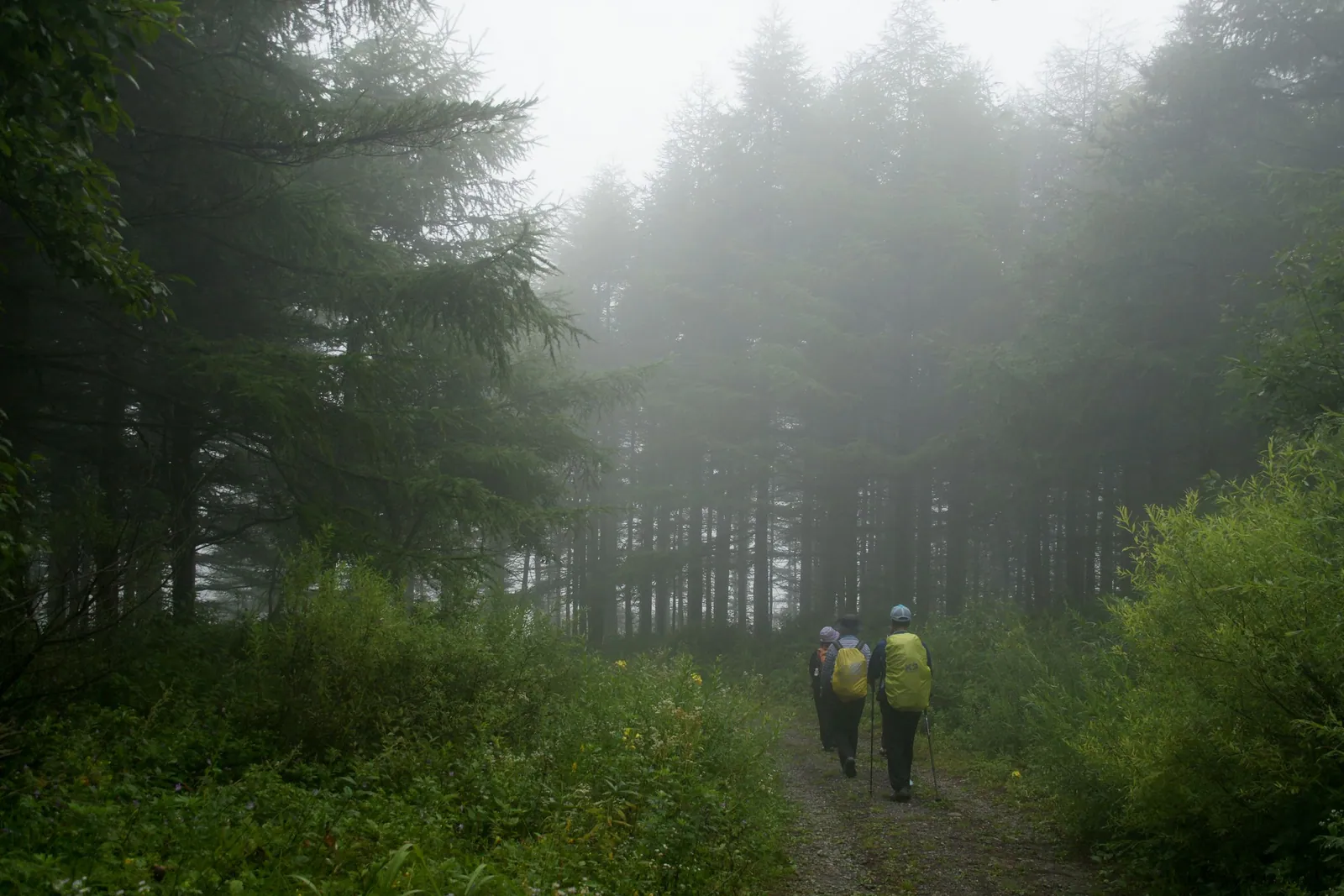
The monsoon is the best season in the Sahyadris and the Western Ghats: waterfalls everywhere, cloud drifting through the forts, the whole range turned green. It is also when most serious trekking accidents in Maharashtra and Karnataka happen, and they follow a small number of patterns: a stream that rose while people were on the far side, a selfie near a waterfall edge, a slip on wet rock on the way down. Knowing those patterns is most of staying safe.
Streams Rise Faster Than You Think
A stream you crossed ankle-deep in the morning can be waist-deep and violent by afternoon after heavy rain upstream, even if it is not raining where you are. This is how groups get stranded, and how people are swept away trying to cross back.
- Never cross water above knee height, or water that is fast and loud
- Cross at the widest, shallowest point, facing upstream, in a line holding hands or a pole
- Unbuckle your backpack's hip belt before crossing
- If a stream rises while you are on the far side, wait for it to drop, even if that means hours
- Plan the day so that crossings happen early
Waterfalls: Look, Don't Climb
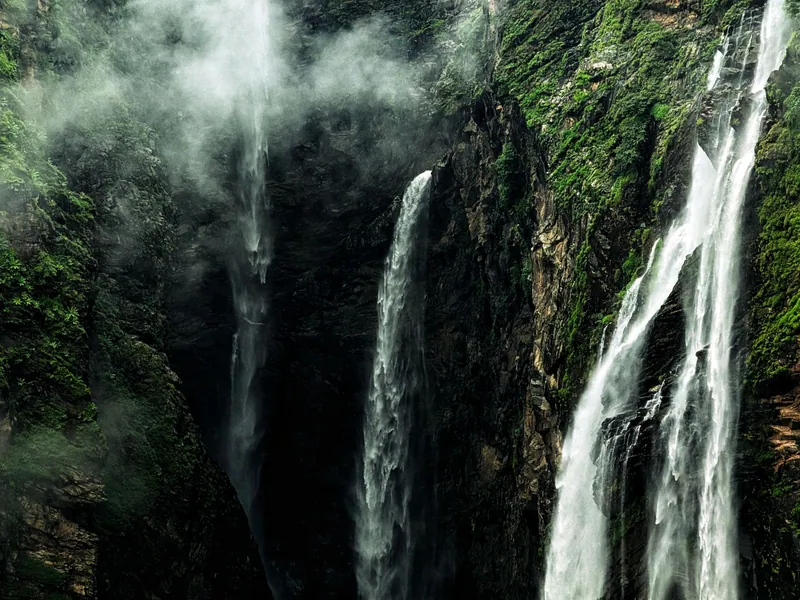
Waterfalls draw people to their edges, and their edges are where moss-covered rock, spray and a sudden surge of water combine. A large share of monsoon drownings in the Sahyadris happen at waterfalls and plunge pools. Pools can have strong undercurrents and hidden rocks, and the depth is impossible to judge.
Enjoy waterfalls from a safe distance, do not stand at the top of a fall, and do not swim in plunge pools in the monsoon. District orders in recent years have banned entering fast-flowing water and taking selfies at risky spots for exactly these reasons.
Wet Rock and the Descent
- Most falls happen going down, not up; slow down on descents
- Step on flat surfaces of rocks, not on sloping edges or green moss
- Shoes with deep lugs and soft rubber grip far better than sports shoes
- Trekking poles help on mud and wet steps
- Skip exposed rock sections entirely in heavy rain
Landslides and Rockfall
Prolonged heavy rain loosens soil and rock on steep slopes and road cuttings. On the trail, move quickly and without stopping under steep, loose slopes and cliffs, and listen for falling stones. On the drive, ghat roads are often hit by small slides; travel in daylight and heed road closures.
When the India Meteorological Department issues orange or red alerts, district administrations often close forts, waterfalls and ghat roads. Treat an alert as a reason to postpone, not an inconvenience.
Lightning
- Get off summits, ridges and open plateaus when thunder approaches
- Avoid isolated tall trees, metal railings and ladders during storms
- Spread a group out rather than huddling together
- Wait 30 minutes after the last thunder before going back up
Leeches
Leeches are a nuisance rather than a danger. They are common in the forests of the Western Ghats in the monsoon. Tuck trousers into socks, use leech socks or a salt pouch, and check your legs at rest stops. If one attaches, flick it off sideways or apply salt; do not pull it. The bite bleeds for a while because of an anticoagulant; clean it and cover it.
Know the Rules Before You Go
In recent monsoons, district administrations across Pune, Raigad, Thane and Nashik have issued prohibitory orders around popular forts, waterfalls and dams, restricting alcohol, loud music, risky selfies and entry into water, and sometimes closing sites altogether. Several forts and forests also have their own caps or booking systems. Check the current position for your destination, and follow instructions from police and forest staff on the trail.
A Monsoon Trekking Kit
- A good rain jacket or poncho, plus a pack cover
- A dry bag for your phone, documents and a dry layer
- Shoes with deep lugs; a spare pair of socks
- Headlamp, basic first aid and a whistle
- Salt or repellent for leeches
- A charged phone and a printed contact list
Frequently Asked Questions
Trek the Monsoon With a Leader
Find monsoon treks with experienced leaders who know when to turn back.
Browse Upcoming TreksKeep Reading
More from the TrekVerse journal: