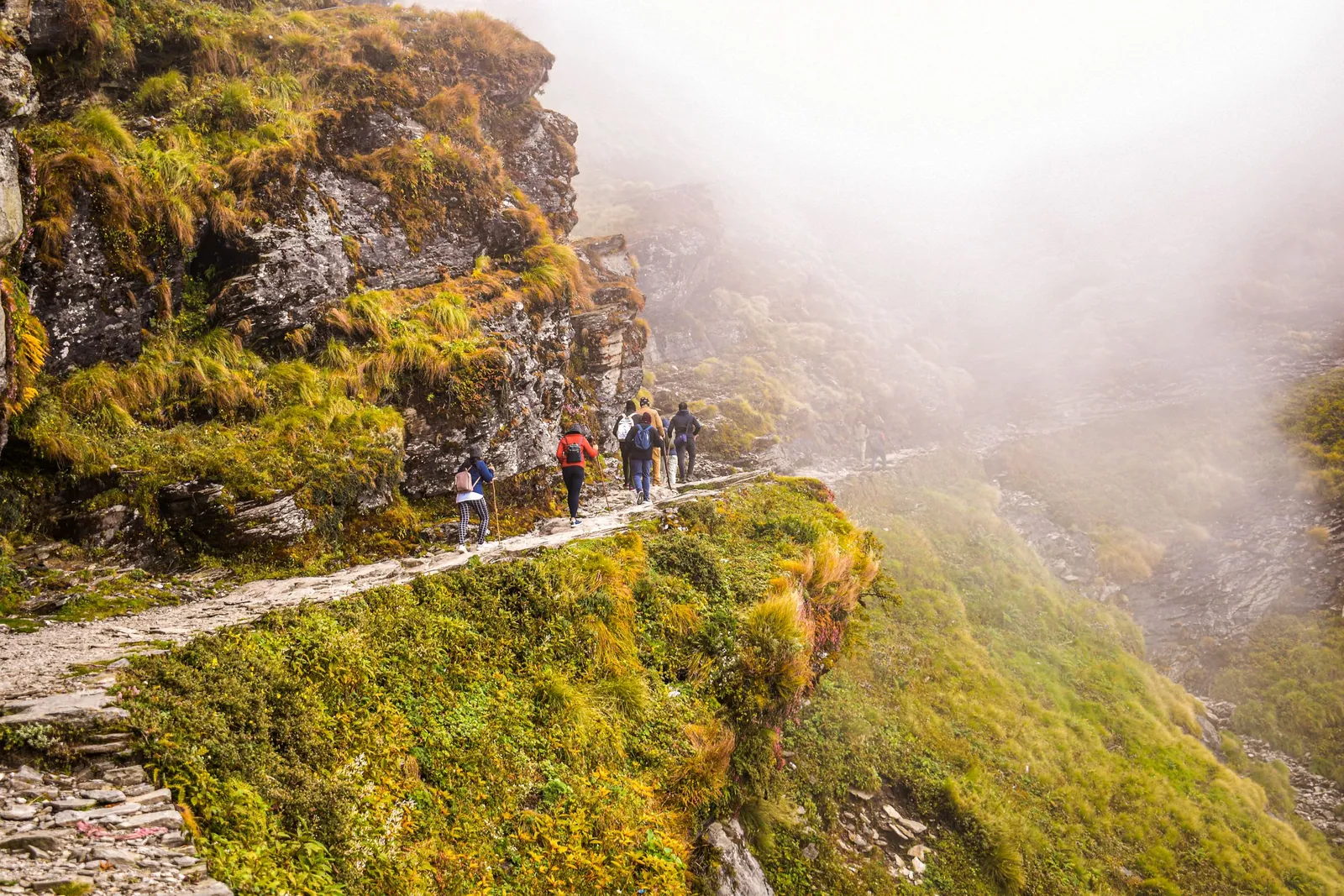
Nobody plans to need a rescue. But on a Himalayan trek a twisted ankle two days from a road, or a case of altitude sickness at night, turns into a logistics problem very quickly. Who comes for you, who pays, and how do you even call? This guide covers what trek insurance should include, how rescue actually works in India, and one piece of kit that foreign and Indian trekkers alike should not carry.
Do You Need Trek Insurance?
For a Sahyadri day trek, most people rely on ordinary health insurance and the fact that a road is never far away. For multi-day Himalayan treks, dedicated trek or adventure insurance is worth having, and many operators require it. Ordinary health and travel policies often exclude trekking above a certain altitude, adventure activities, or evacuation by helicopter, which are exactly the things you need.
What to Check in a Policy
Read the exclusions before you buy, not after. Many trek operators in India offer basic trek insurance at booking; check its limits rather than assuming it covers evacuation.
- Altitude limit: does it cover trekking to the highest point on your route?
- Evacuation: does it include emergency evacuation, including by helicopter, and up to what amount?
- Activities: is trekking explicitly covered, and is anything like glacier travel excluded?
- Medical treatment: hospitalisation and treatment after evacuation
- Trip cancellation and interruption, especially for treks that can be closed at short notice
- Claims: what documents are needed, and is there a 24-hour assistance number?
How Rescue Works in India
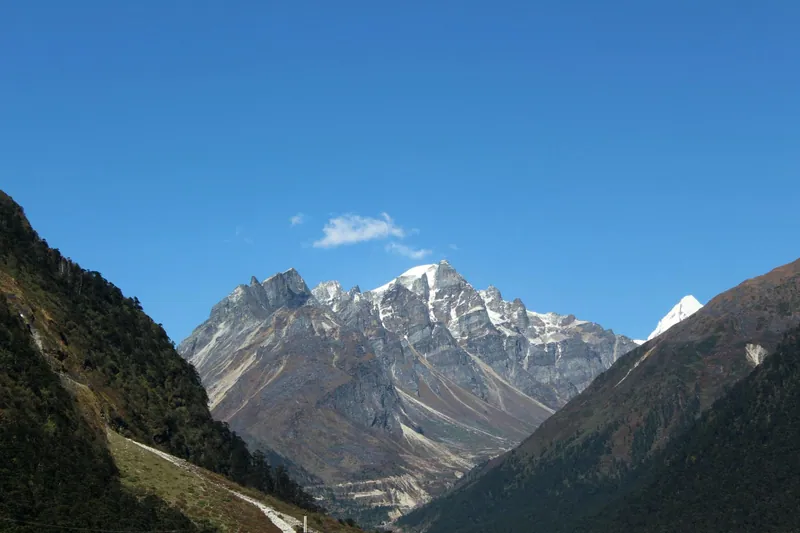
In most of India, a trekking emergency is first handled by your group: the trek leader, guide, porters and local villagers carry or walk the casualty down. Organised operators carry first aid, often oxygen on high treks, and a plan for evacuation routes. Beyond that, district administrations, the police, State Disaster Response Forces (SDRF) and, in serious cases, the National Disaster Response Force and the Air Force carry out rescues. Helicopter evacuation is possible in the Himalaya but depends heavily on weather, landing sites and permissions, and can take a day or more to arrange.
The practical lesson is that the first hours of any emergency are in your own hands, which is why the choice of operator and the training of its leaders matter so much.
Emergency Numbers
- 112: India's single emergency number for police, fire and ambulance
- 108: the ambulance service in most states
- Your operator's emergency contact and your trek leader's number
- The local police station and forest office for your trek area
Save these before you lose signal. Mobile coverage disappears quickly on most Himalayan treks; note where on the route the last signal is.
Do Not Carry a Satellite Communicator
Satellite phones and satellite messengers such as the Garmin inReach are effectively prohibited in India without a licence under the Indian Wireless Telegraphy Act, 1933 and related rules. In late 2024 and early 2025, several foreign trekkers and runners were detained at Indian airports, some for days, for carrying an inReach. Around ten such cases were reported at one airport in a single month.
Do not bring one, and do not buy one for a trek in India. Rely instead on your operator's communication plan, on the places along the route where there is signal, and on local knowledge.
Before You Go: A Personal Emergency Plan
- Share your itinerary, operator details and expected return date with someone at home
- Carry ID, insurance documents and emergency contacts on paper
- Tell your trek leader about any medical conditions and medicines
- Know the symptoms of altitude sickness and the plan for descent
- Carry a basic personal first aid kit, a headlamp and a whistle
Choosing an Operator With Emergencies in Mind
Ask operators how they handle evacuations: whether leaders are trained in wilderness first aid, whether they carry oxygen and a stretcher on high treks, and what their evacuation route is from each campsite. A good operator answers these questions readily. Our guide to organiser red flags covers what else to ask.
Frequently Asked Questions
Choose Treks With a Safety Plan
Compare operators by leader training, group size and inclusions before you book.
Browse Upcoming TreksKeep Reading
More from the TrekVerse journal: