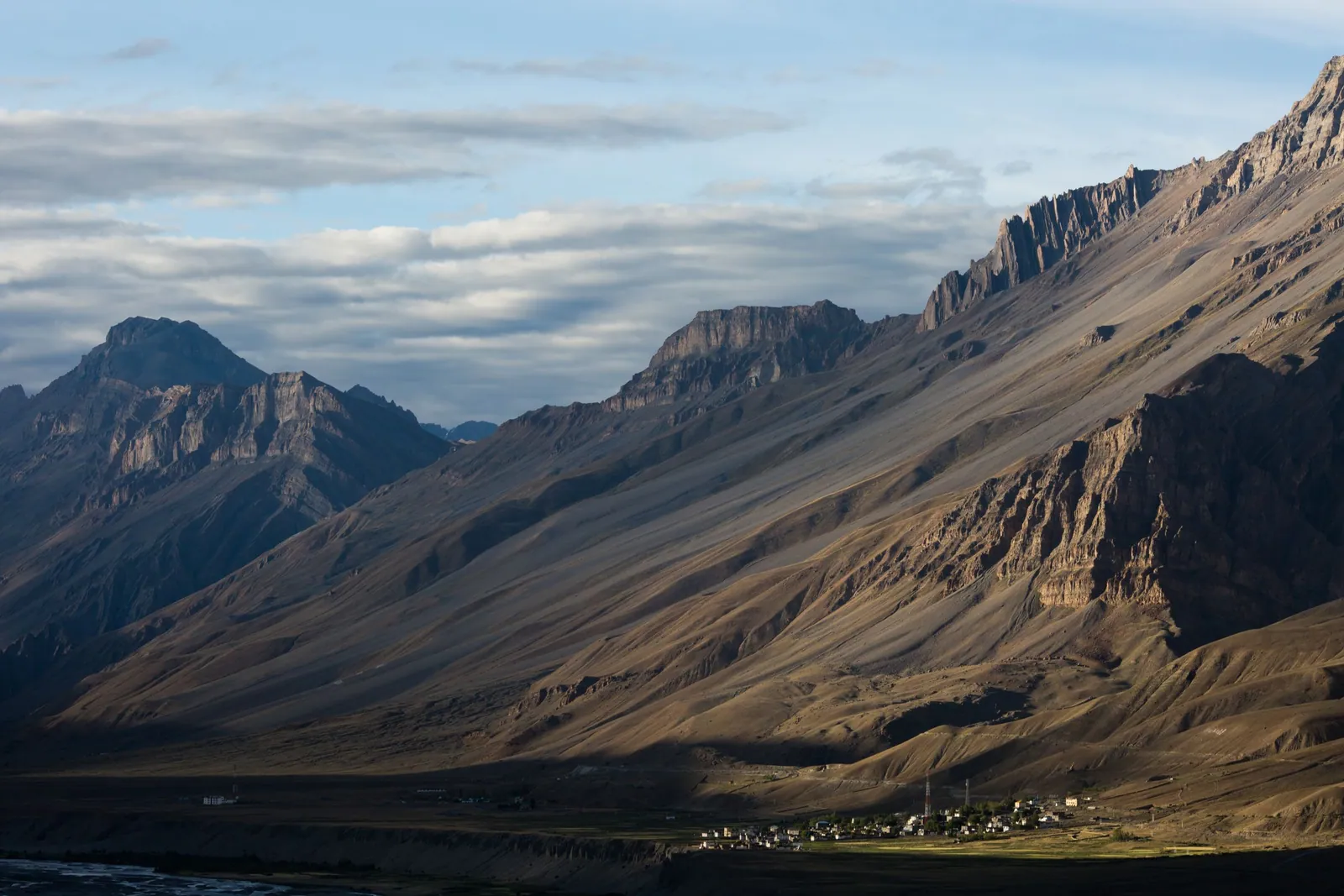
Popular treks are popular for a reason, but that popularity has a cost — crowded trails, strained campsites, and littering at spots like Kedarkantha and Kalsubai during peak season. Offbeat trekking is partly about discovery and partly about spreading the load more sustainably. Here are genuinely lesser-known treks across the Sahyadris, Karnataka, and the Himalayan foothills worth seeking out.
Offbeat doesn't mean secret or undiscovered — most of these treks have small, dedicated followings among experienced trekkers. What it means is meaningfully lower footfall than the trails that dominate every 'top treks' list, which translates to quieter trails, less strain on fragile ecosystems, and often a more rewarding, self-reliant trekking experience.
A word of caution: lower footfall usually means less signage, fewer people around if something goes wrong, and less-developed campsite infrastructure. Several of these treks are best attempted with an experienced guide or organised group rather than solo, especially for first-timers to the region.
1. Alang-Madan-Kulang (AMK) — Sahyadris' Toughest Traverse
The AMK traverse links three peaks — Alang, Madan, and Kulang — into a single continuous route rather than three separate day hikes, and is widely considered one of the most technically demanding treks in the entire Sahyadri range.
That difficulty is exactly what keeps footfall low — this isn't a trek that attracts casual weekend crowds, because the rock sections demand real climbing competence and a head for exposure. This one is strictly for experienced trekkers with a skilled local guide, not a route to improvise from a map.
- Altitude: ~1,471 m (Kulang, highest of the three)
- Duration: 2–3 days
- Base: Ratanwadi (Ahmednagar district)
- Difficulty: Very hard — exposed rock-climbing, ridge traverses
- Best season: October–February only (avoid monsoon)
2. Ratangad — A Fort Trek With Real Solitude
Despite being every bit as scenic as its more famous neighbours, Ratangad lives entirely in the shadow of nearby Kalsubai and Harishchandragad — and that neglect is precisely what makes it worth seeking out.
The fort itself is genuinely wild rather than restored or manicured, with a striking natural rock window called the Nedhe and a scatter of caves worth exploring once you're up top. Even on weekends, when Kalsubai a short drive away is crowded, Ratangad tends to stay quiet.
- Altitude: 1,296 m
- Duration: 1–2 days
- Base: Bhandardara (Ahmednagar district)
- Best season: October–February (clearest); June–September (waterfalls, slippery approach)
3. Kumara Parvatha — Karnataka's Hardest Day Trek
It's routinely rated among the most physically demanding treks in the Western Ghats, yet it stays well under the radar compared to Karnataka's more heavily marketed hill stations. The trail moves through dense forest before opening onto grassy summit ridges, and on a clear day the views stretch across into Kerala.
For trekkers who've done the popular Western Ghats routes and want something that actually tests fitness, Kumara Parvatha delivers without the crowds those other trails now draw.
- Altitude: ~1,712 m
- Duration: 1–2 days (or a strenuous single-day push)
- Base: Kukke Subramanya, Pushpagiri Wildlife Sanctuary (Karnataka)
- Best season: October–February (avoid monsoon — heavy leeches)
4. Pangarchulla Peak — A Quieter High-Altitude Himalayan Trek
Pangarchulla sits squarely in the shadow of the far more popular Kedarkantha and Brahmatal routes despite offering comparable, if not better, scenery. What sets it apart is that it's a genuine summit climb rather than a meadow walk — real rock scrambling near the top filters out the casual crowd that floods the more famous winter treks.
The payoff is a sweeping high-altitude panorama taking in Nanda Devi, Dronagiri, and Hathi Parbat, with a fraction of the footfall those peaks see even in peak season.
- Altitude: ~4,145 m
- Duration: 5–6 days
- Base: Joshimath (Chamoli district, Uttarakhand)
- Best season: March–June and September–November
5. Prashar Lake — Himachal's Accessible Hidden Gem
The lake itself is the draw — a floating-island lake beside a striking three-tier pagoda temple, an image that looks almost out of place in the Himalayas. The trail up is gentle and beginner-friendly, making it an easy sell for anyone new to trekking.
It remains far less visited than Himachal's mainstream circuits like Triund or Kheerganga, and works particularly well as a low-effort, high-reward add-on to a longer Himachal trip.
- Altitude: ~2,730 m
- Duration: 1–2 days
- Base: Mandi (Himachal Pradesh)
- Best season: March–June and September–December
How to Approach an Offbeat Trek Responsibly
Going offbeat comes with a different set of responsibilities than joining a well-established route. Because signage is sparse or nonexistent on most of these trails, a local guide isn't a nice-to-have on routes like AMK or Kumara Parvatha — it's the difference between a memorable trek and a genuinely dangerous situation if weather turns or the trail forks somewhere a map doesn't clearly show.
Even on gentler offbeat trails like Prashar Lake or Ratangad, inform someone of your exact plan and expected return, since rescue infrastructure on lesser-known routes is thinner than on the famous ones.
- Pack out everything you carry in
- Avoid cutting new paths off the established trail
- Be careful around water sources and campsites local communities depend on
More Offbeat Trails Worth Knowing About
Beyond the five detailed above, India's offbeat trekking map is large enough that almost every region has at least one quieter alternative to its famous headline trek. In Maharashtra, beyond Ratangad, trails like Ajoba fort or the Naneghat-Jivdhan combination offer the same Sahyadri fort-trekking character as Harishchandragad or Rajmachi without the crowds, particularly on a weekday.
In the Northeast, trails around Dzukou Valley outside its peak flowering season, or lesser-known routes in Sikkim beyond the well-worn Goecha La path, reward trekkers willing to research a little further than the standard search results.
The common thread is that offbeat status is rarely permanent — a trail that's quiet today can end up on every 'top ten' list within a few years, the way Kedarkantha went from unknown to one of India's most crowded Himalayan routes inside a decade. Checking current trip reports before committing is worth the extra ten minutes of research.
Finding and Vetting an Offbeat Trek Organiser
The margin for error is smaller on offbeat trails, so choosing who you trek with matters even more:
- Genuine, recent experience on the exact trail — not just general regional expertise
- Smaller group sizes on trails with technical sections
- A clear evacuation plan if the trek needs to be aborted partway
- Verified organiser history and genuine trekker reviews
What Draws Experienced Trekkers to Offbeat Trails
Ask a trekker who's been at it for a decade why they've shifted toward offbeat trails and the answer is rarely just 'fewer people.' There's a particular quality to a trek where you genuinely don't know exactly what's around the next bend, in a way that's harder to feel on a route you've seen photographed from every angle before you've even booked it.
Trails like Panwali Kantha or the quieter stretches near Prashar Lake reward the kind of attentiveness that a heavily trodden trail doesn't demand — noticing bird calls, tracking weather changes, and reading the terrain more carefully.
There's also a sense of earning the view — reaching a summit or a meadow that took genuine research and effort to find carries a different weight. It explains why so many trekkers, once they've done the well-known circuit, start actively seeking out the AMKs and Panwali Kanthas of the trekking world rather than repeating Kedarkantha for a third or fourth season.
Why Offbeat Trekking Matters
Choosing offbeat trails isn't just about avoiding crowds for their own sake — it has real, practical benefits that go beyond a quieter photo:
- Reduces ecological strain on over-visited trails and campsites
- Spreads tourism income across more base villages
- A more immersive, self-reliant experience without bottleneck queues
- Terrain, wildlife, and views often on par with famous treks — just less marketed
Frequently Asked Questions
Ready to Go Offbeat?
Find experienced organisers running offbeat and technical treks, and connect with fellow trekkers on TrekVerse.
Explore TreksRelated Destination Guides
Continue exploring lesser-known trekking destinations: