Mountaineering

Everything below the summit

Everest is the last exam, not the course. This is the rest of it — the skills, the kit, the rescue work and the years of smaller peaks that come first.

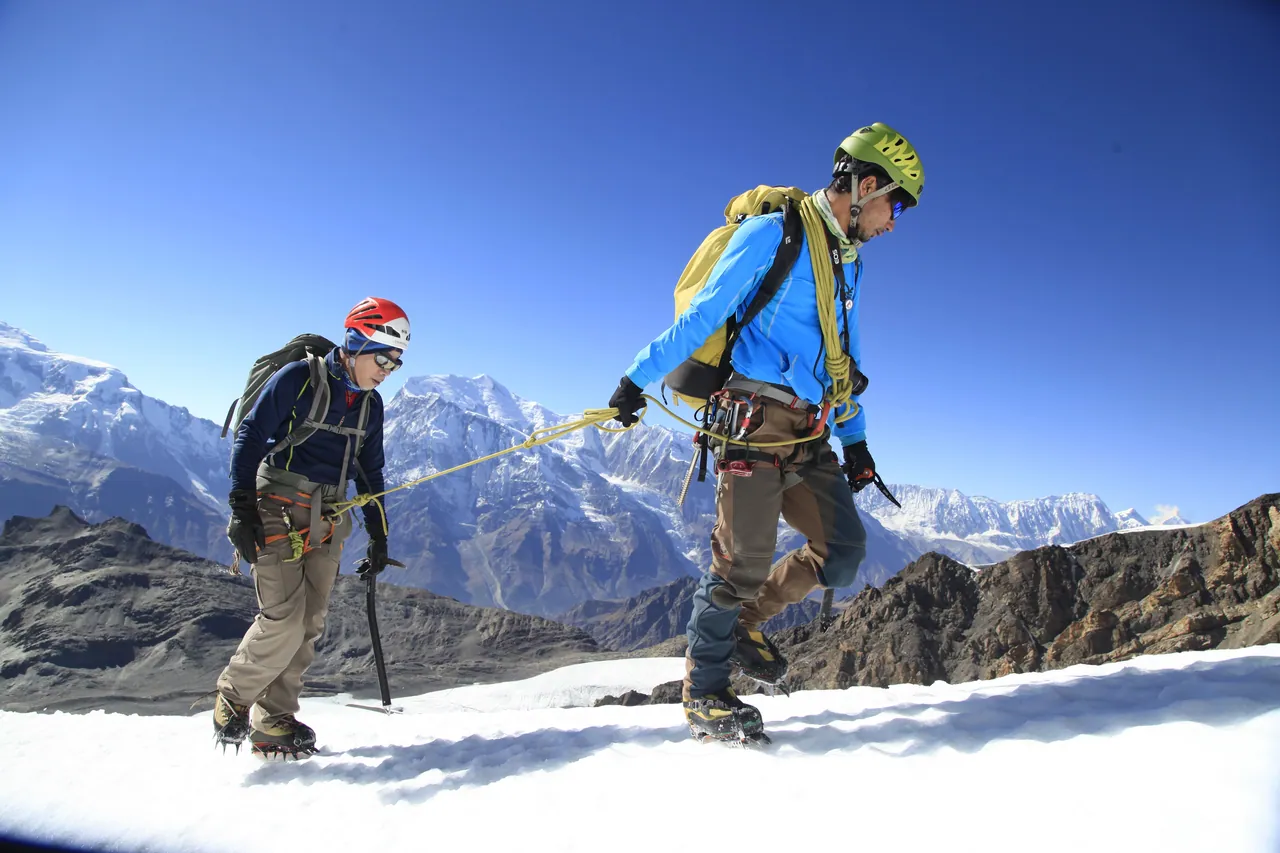
Two climbers traversing a snow slope high in the Nepali Himalaya.
Before Everest

Nobody arrives at 8,849 m by accident

Nepal's rules, and any operator worth booking, expect a climbing CV: courses, progressively bigger peaks, and a 7,000 m summit certificate before an Everest permit is realistic.

The pathway

Six stages from a first course to the summit

1

Friendship Peak, Kang Yatse II, Mentok Kangri

5,300–6,250 m · Himachal, Ladakh

First real altitude; test how your body responds.

2

Island Peak, Lobuche East, Mera Peak

6,100–6,500 m · Khumbu, Nepal

Nepal logistics, fixed-rope skills, Everest-region familiarity.

3

Ama Dablam

6,812 m · Khumbu, Nepal

Technical climbing, exposure, a long summit day.

4

Himlung Himal, Baruntse, Pumori

7,100–7,200 m · Nepal

The 7,000 m qualifier and a summit certificate.

5

Manaslu or Cho Oyu

8,163–8,188 m · Nepal / Tibet

Supplemental oxygen and real death-zone experience.

6

Everest

8,849 m · Nepal

The goal.

The kit

The equipment, up close

What you will actually carry and wear on an 8,000 m peak, and what to look for in each piece.

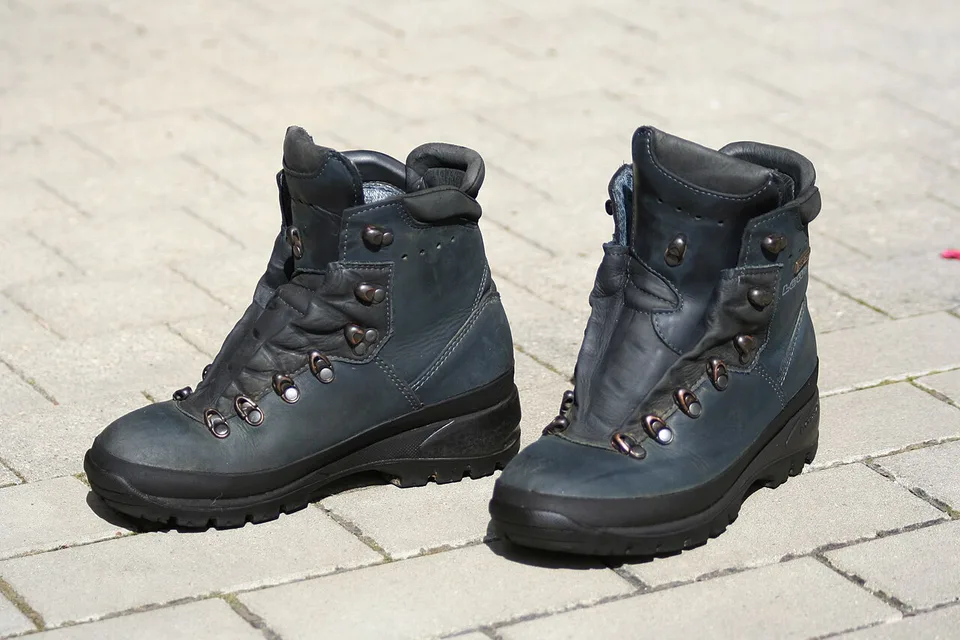
A pair of stiff leather alpine mountaineering boots.

Boots

Keep your feet alive. Above Camp 2 you wear a fully insulated double or one-piece boot rated for about −40 °C.

Look for: Insulated 8,000 m boot, fitted with your actual socks, crampon-compatible welt.

Shown: a stiff leather alpine boot — the Everest boot is a warmer, insulated cousin.

Photo: Thomas Steiner, CC BY-SA 3.0
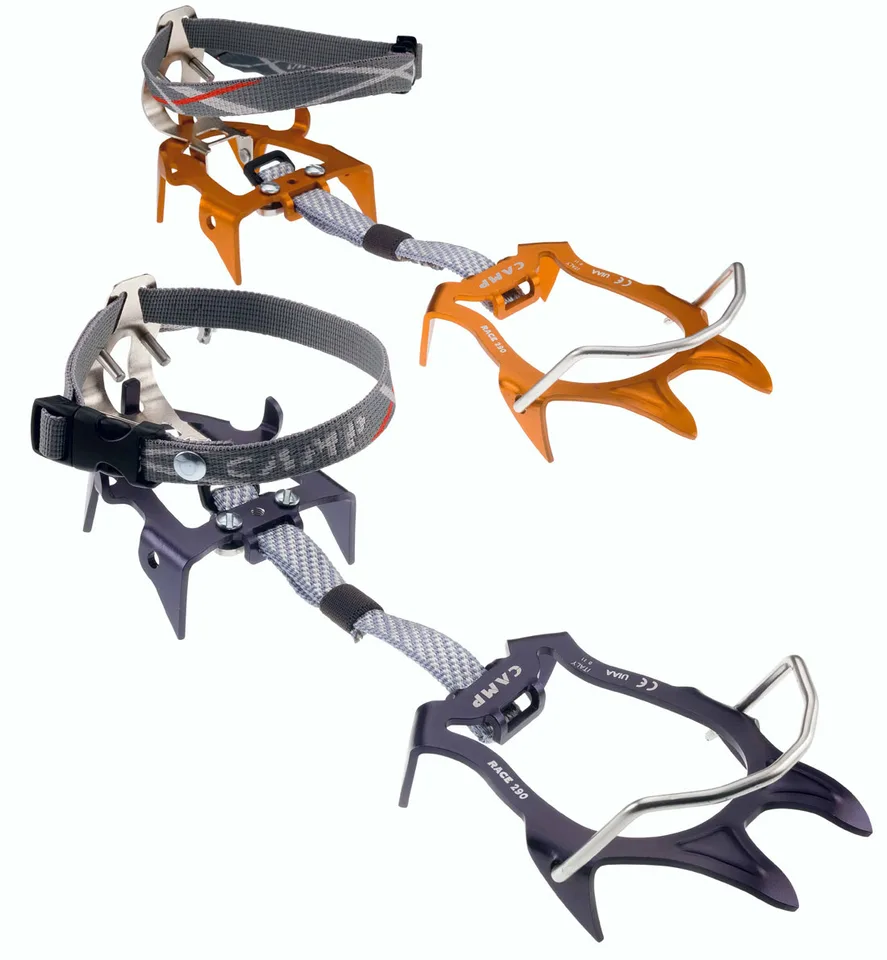
A pair of twelve-point mountaineering crampons with steel front points and a strap-on binding.

Crampons

Twelve steel points that bite into hard snow and ice on the glacier, the Lhotse face and the summit ridge.

Look for: Steel, not aluminium; a binding that matches your boot; anti-balling plates.

Photo: Compte fermé, CC BY 3.0

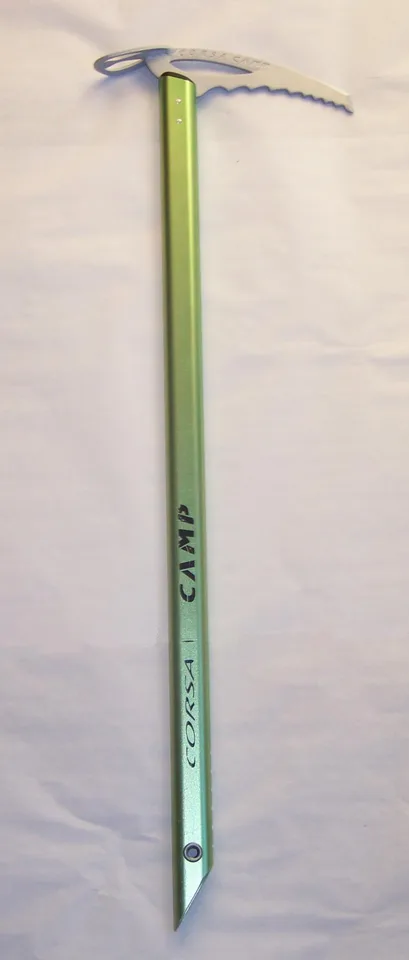
A lightweight mountaineering ice axe with a curved pick and a spiked shaft.

Ice axe

A walking support, a self-arrest tool if you fall, and an anchor you can bury in the snow.

Look for: Correct length for your height; a leash only where the route calls for one.

Photo: Cullen328 Jim Heaphy, CC BY-SA 3.0

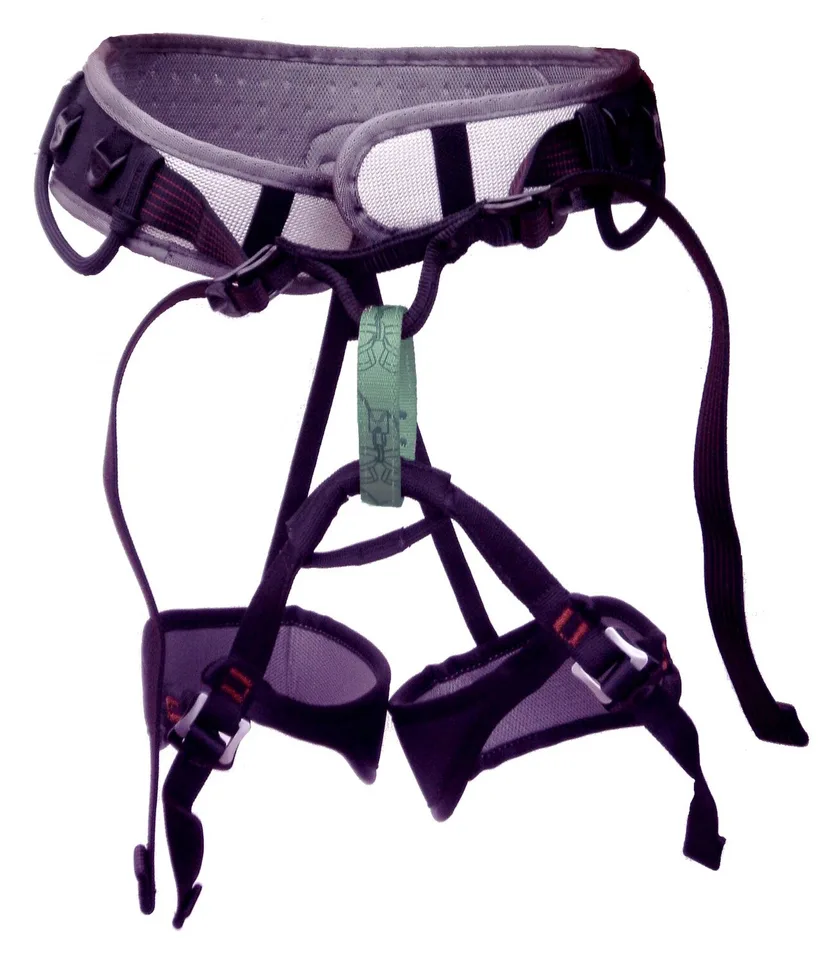
A climbing harness with adjustable leg loops and gear loops.

Harness

Ties you to the fixed ropes via your safety lanyards, and carries your carabiners and ascender.

Look for: Adjustable leg loops that fit over a down suit; light, with a strong belay loop.

Photo: Savant-fou, CC BY-SA 3.0

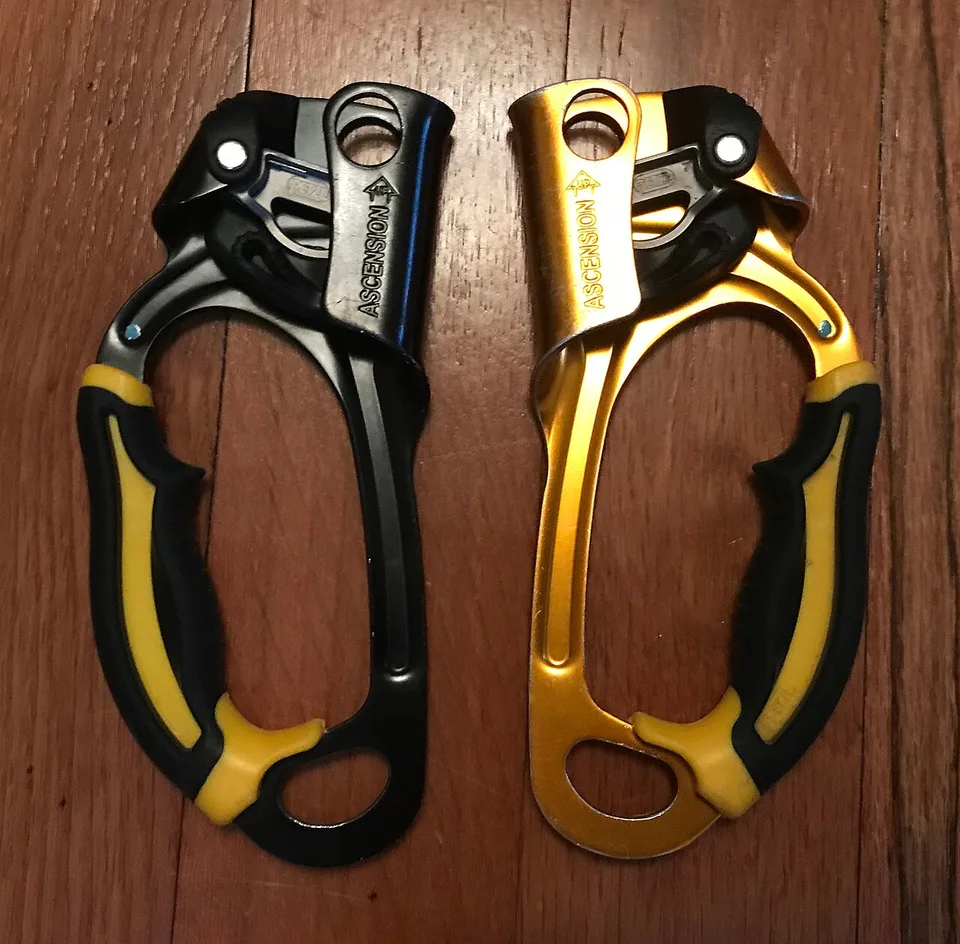
A pair of handled rope ascenders, used for climbing fixed lines.

Ascender

Slides up a fixed rope and locks when loaded — the tool for the Khumbu Icefall and Lhotse face.

Look for: Handled, glove-friendly, tested with your thickest mitts on.

Photo: Climber.Ben.Johnson, CC BY-SA 4.0

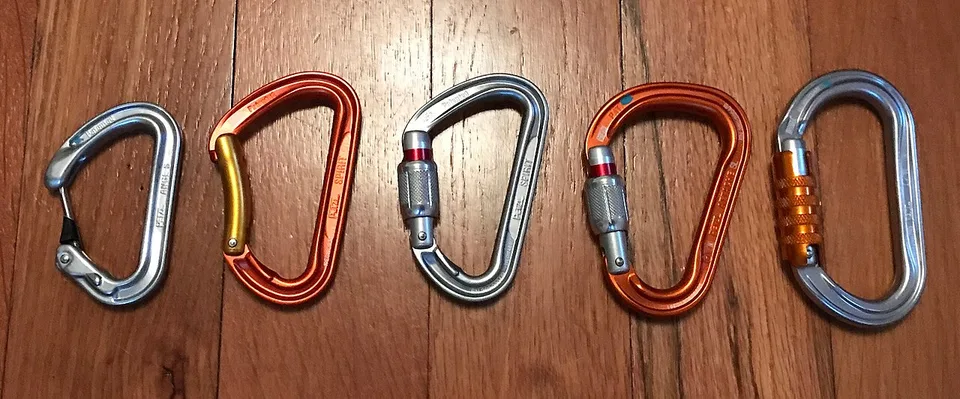
A row of locking and non-locking aluminium carabiners.

Carabiners

Link harness, lanyards and anchors. Locking ones for anything that holds your life.

Look for: A few locking and a few non-locking; wide gates that work with gloves.

Photo: Climber.Ben.Johnson, CC BY-SA 4.0

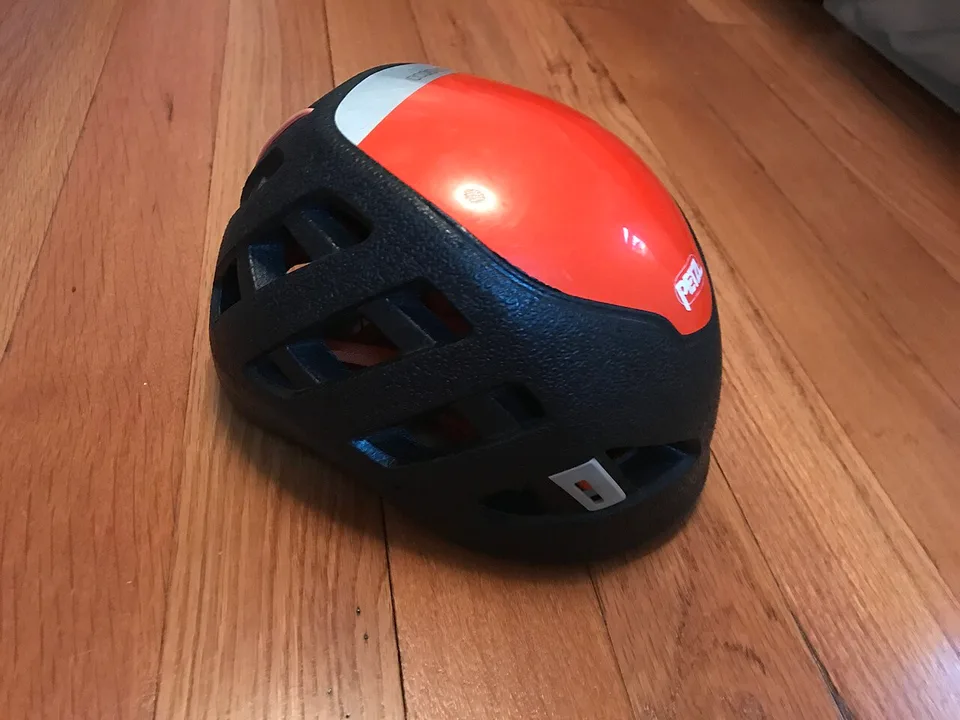
A lightweight ventilated climbing helmet.

Helmet

Rockfall and ice fall in the Icefall are routine; a helmet is the cheapest insurance on the mountain.

Look for: Light, ventilated, and sized to sit over a thin hat.

Photo: Climber.Ben.Johnson, CC BY-SA 4.0

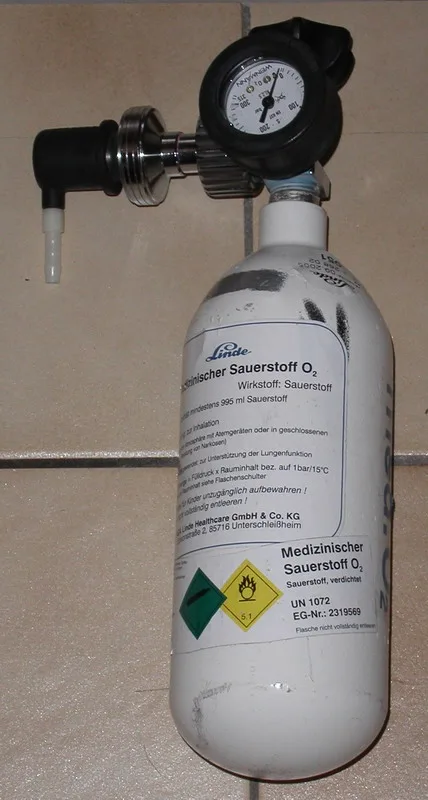
A compressed oxygen cylinder fitted with a regulator and pressure gauge.

Oxygen

Supplemental oxygen — a cylinder, regulator and mask — turns the death zone from lethal to survivable for most climbers.

Look for: Expedition-supplied: cylinder count, flow rates and a spare regulator are part of your operator's package.

Shown: a compressed-oxygen cylinder with regulator and gauge; summit cylinders are lighter composite ones.

Photo: Florian Thillmann (de:Benutzer:Flothi), CC BY-SA 2.5

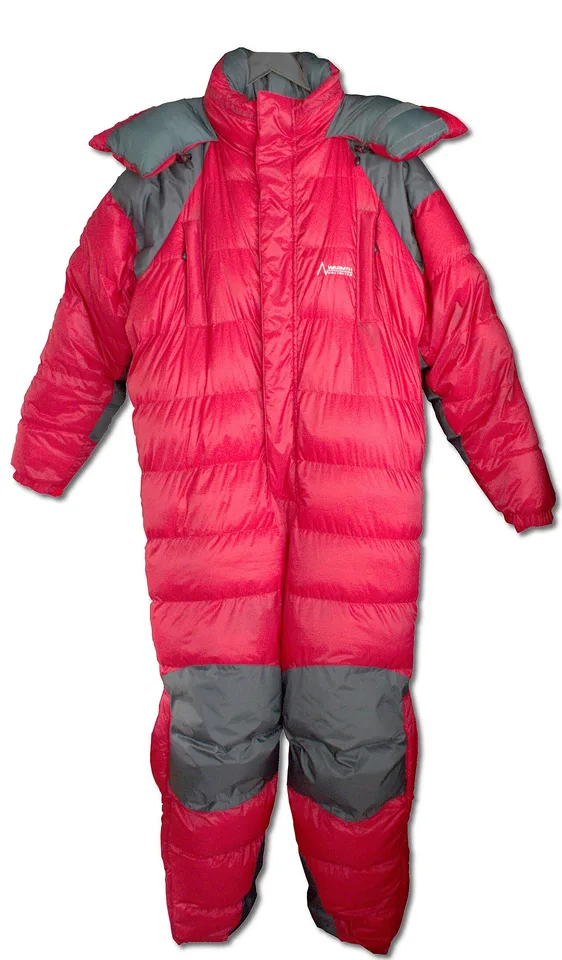
A one-piece insulated down suit of the kind worn high on 8,000 m peaks.

Down suit

A one-piece insulated suit for summit night, when temperatures can fall below −30 °C with wind.

Look for: Full-length zips, a real hood, and enough room to layer underneath.

Photo: Jacek Rużyczka, CC BY-SA 3.0

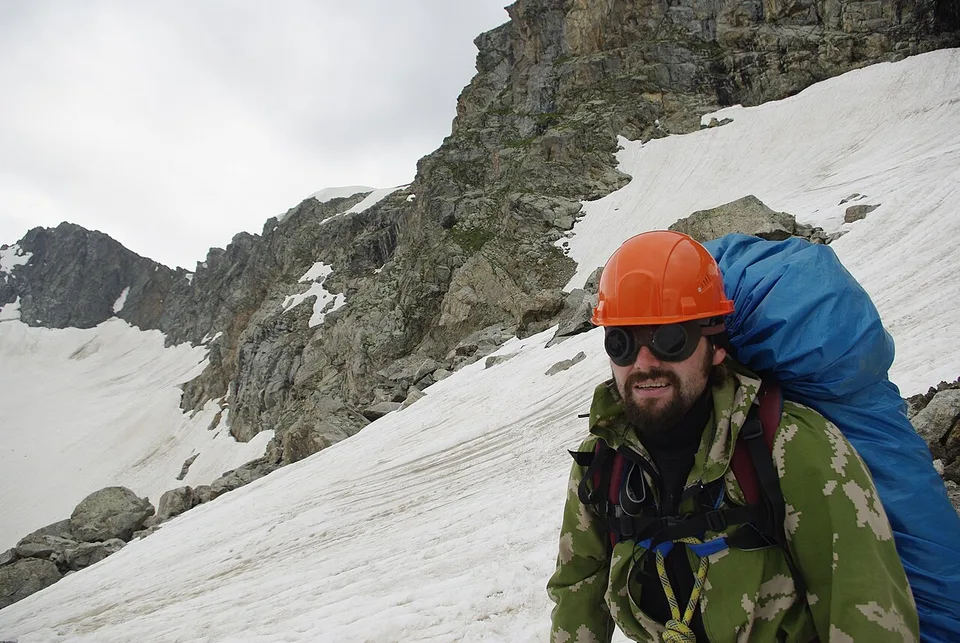
A mountaineer on a snow slope wearing a helmet and dark glacier glasses.

Glacier glasses

Snow reflects the high-altitude UV; without side-shielded dark lenses, snow blindness can end an expedition.

Look for: Category 4 lenses with side shields, plus goggles for storms.

Shown in use, on a snow slope.

Photo: Siarhei Besarab, CC BY-SA 4.0

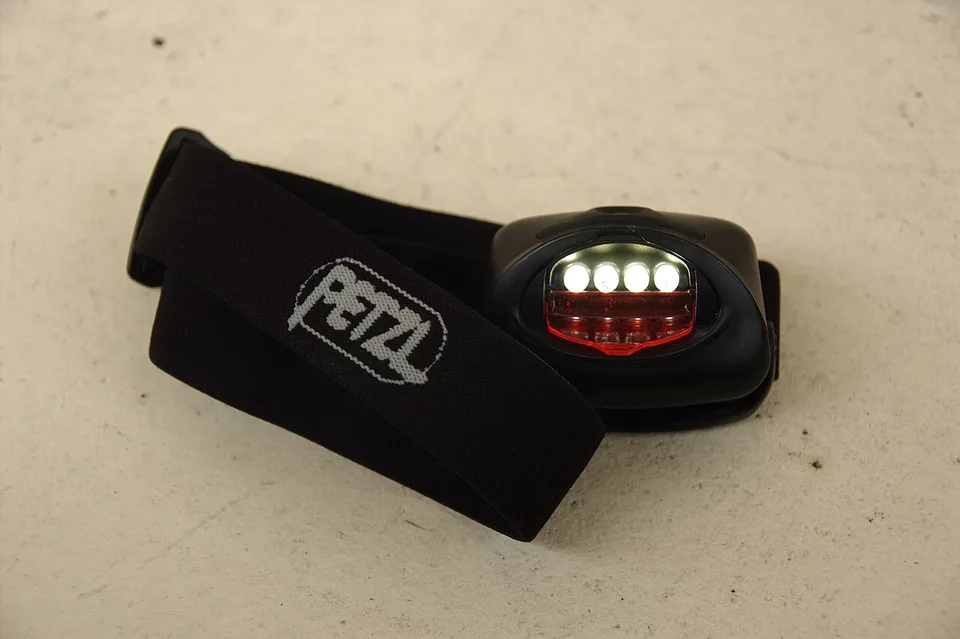
A compact LED headlamp on its elastic headband.

Headlamp

Summit pushes start around midnight. Your hands stay free for ropes while you climb in the dark.

Look for: Bright, with a lithium battery set; carry a spare lamp.

Photo: jd, Public domain

Where to learn

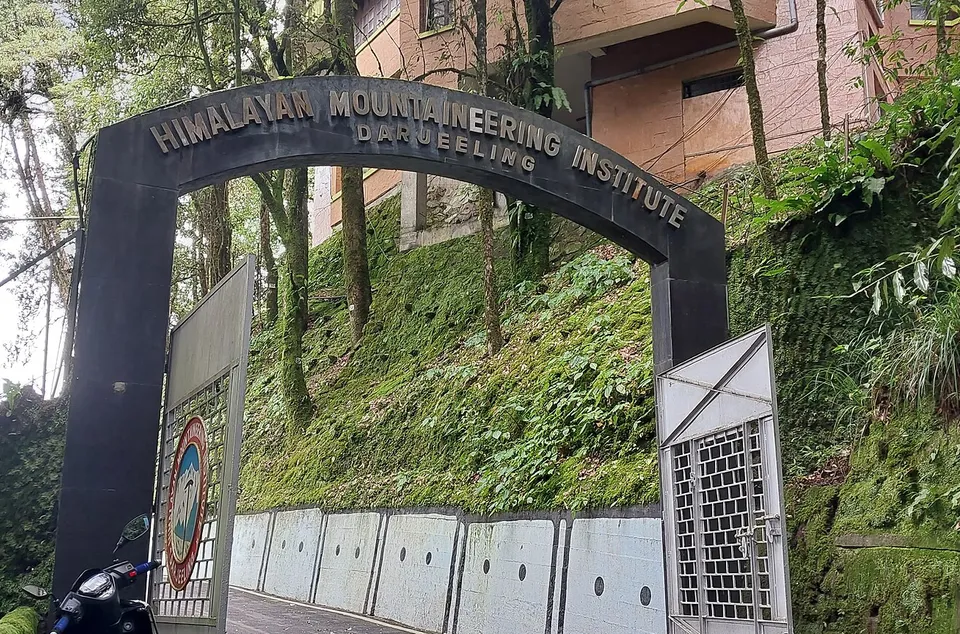
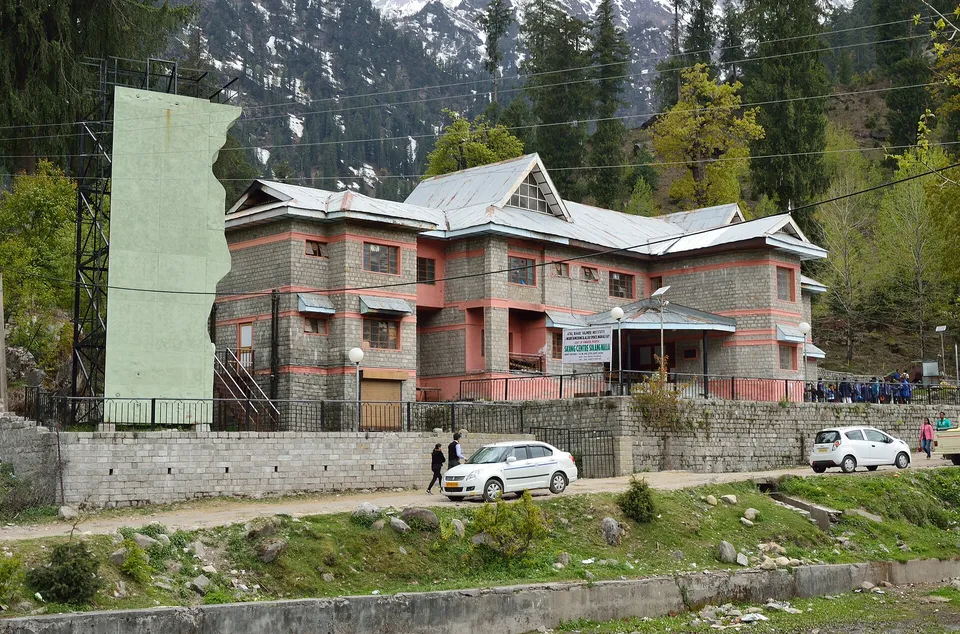
India's mountaineering institutes

Courses are heavily subsidised and fill quickly — apply months ahead and check each institute for dates, fees, medical requirements and age limits.

Indian Mountaineering Foundation. Permission for peaks in the Indian Himalaya runs through the IMF, and some peaks close for environmental or security reasons — check current status before planning. indmount.org

The course ladder

CourseLengthWhat you learn
BMC — Basic Mountaineering Course~4 weeksRock craft, snow and ice basics, glacier travel, self-arrest, camp craft, first aid, a training peak.
AMC — Advanced Mountaineering Course~4 weeksAdvanced ice craft, jumaring, crevasse rescue, expedition planning, a higher peak.
SAR — Search and Rescue~3-4 weeksRescue technique, stretcher lowering, high-altitude first aid.
MOI — Method of Instruction~4 weeksTeaching and leading others; the route to instructing.

The full pathway chapter